
Last updated November 15, 2026
 Wrought iron
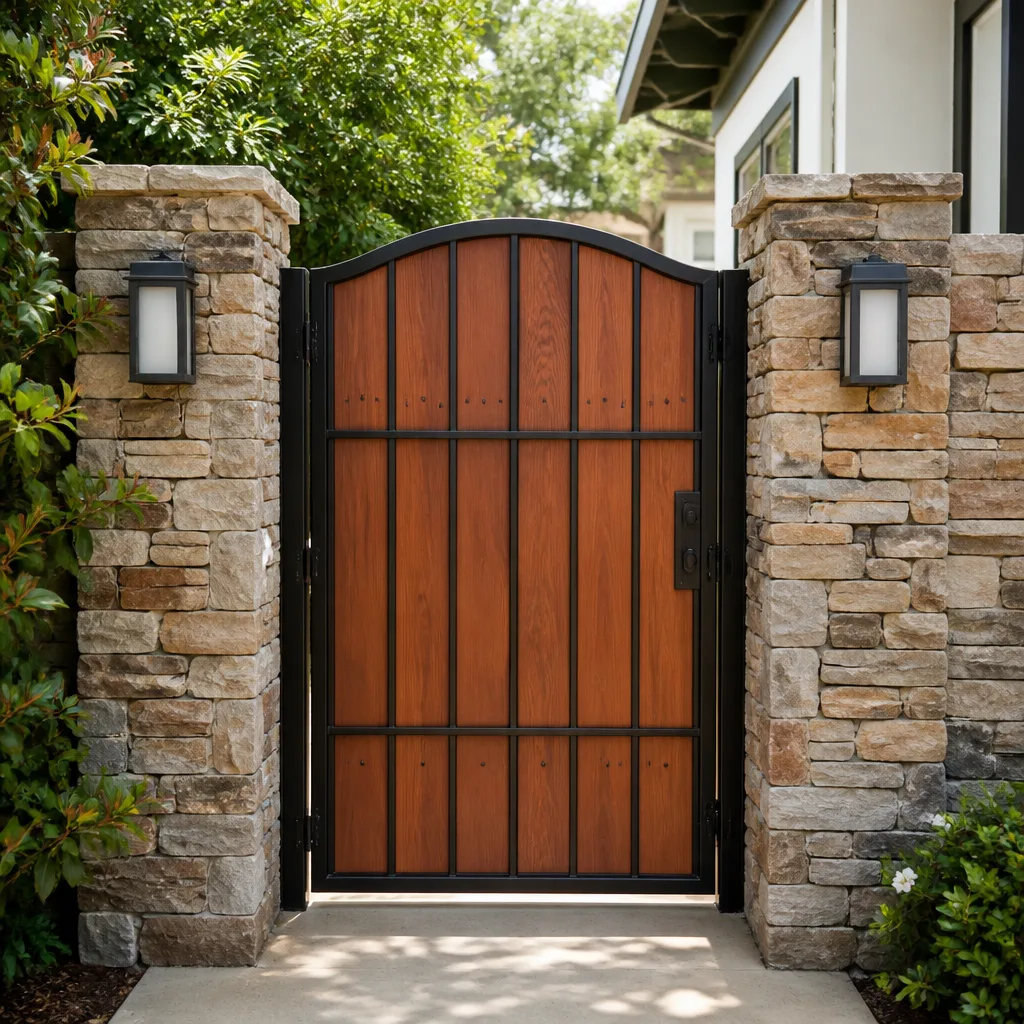 Wood & steel frame
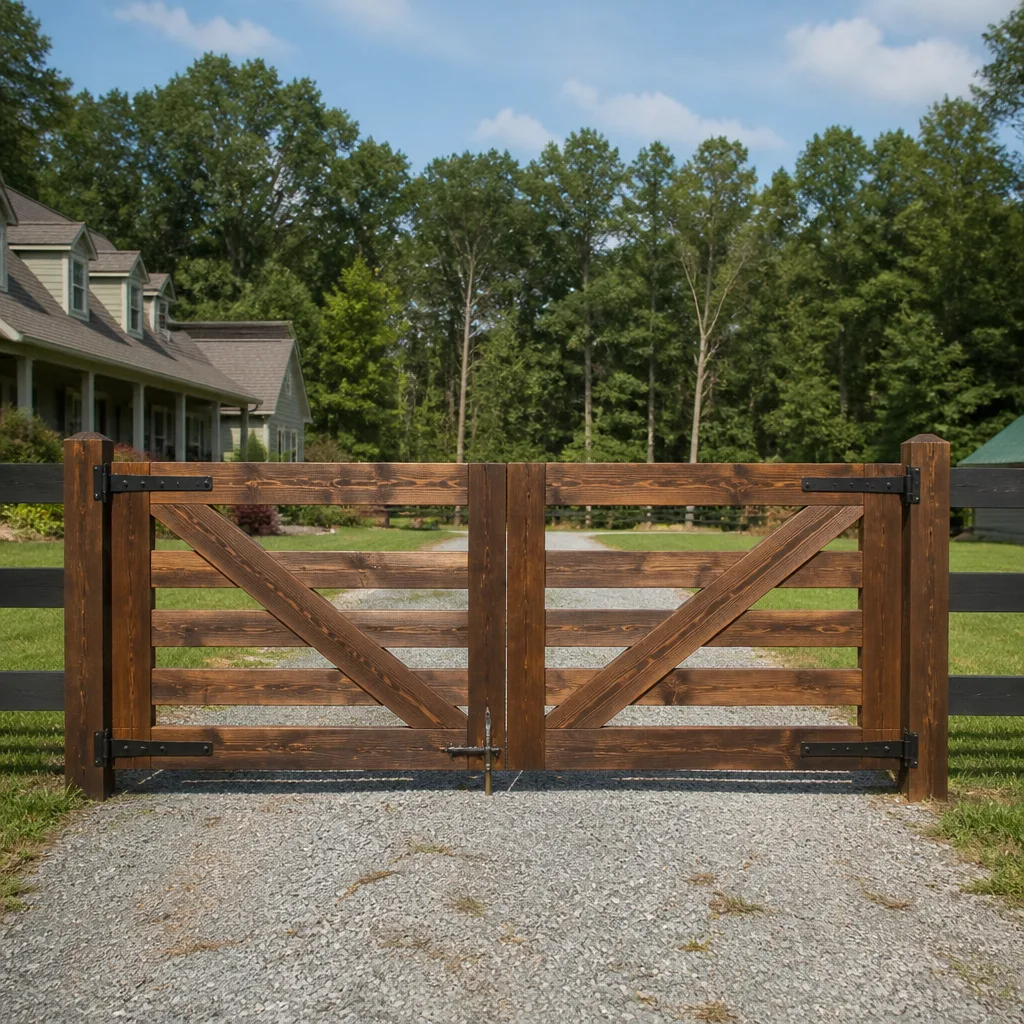 Farm & ranch
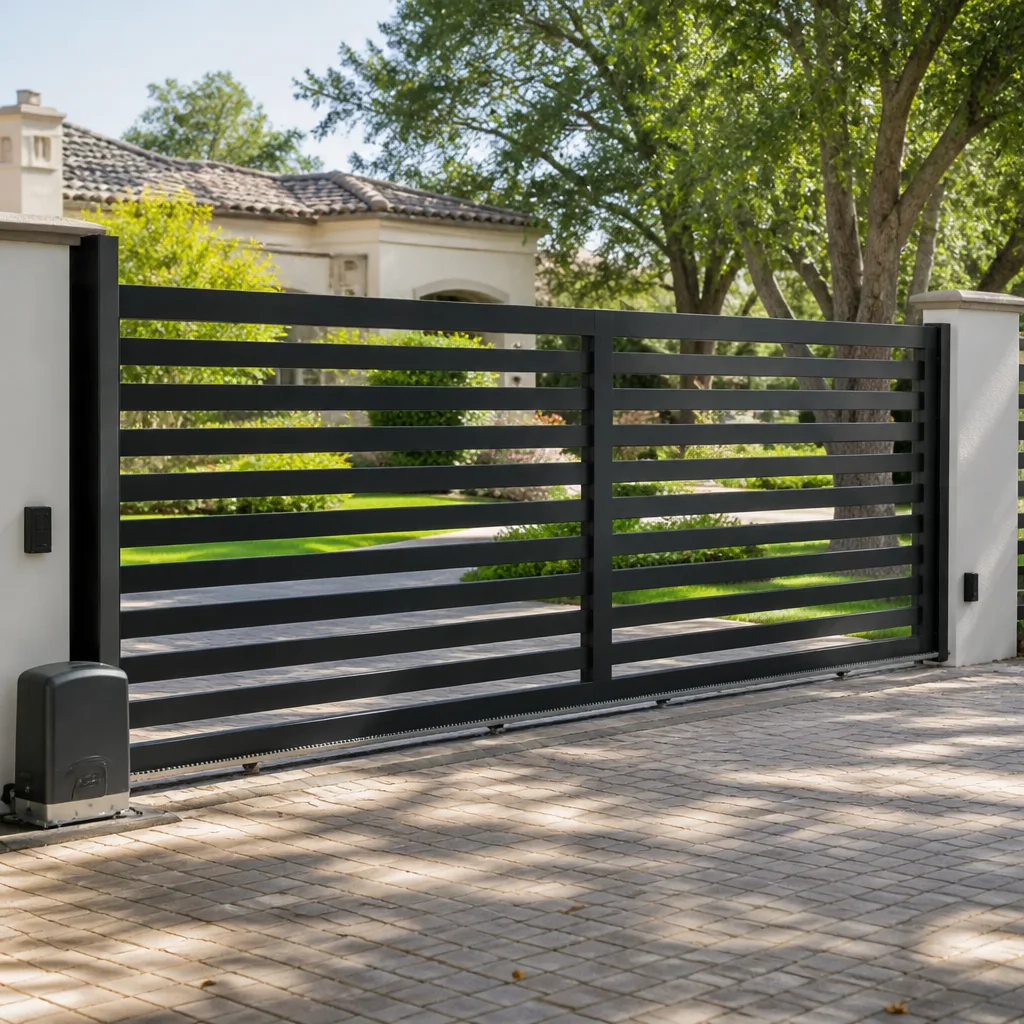 Sliding driveway gates
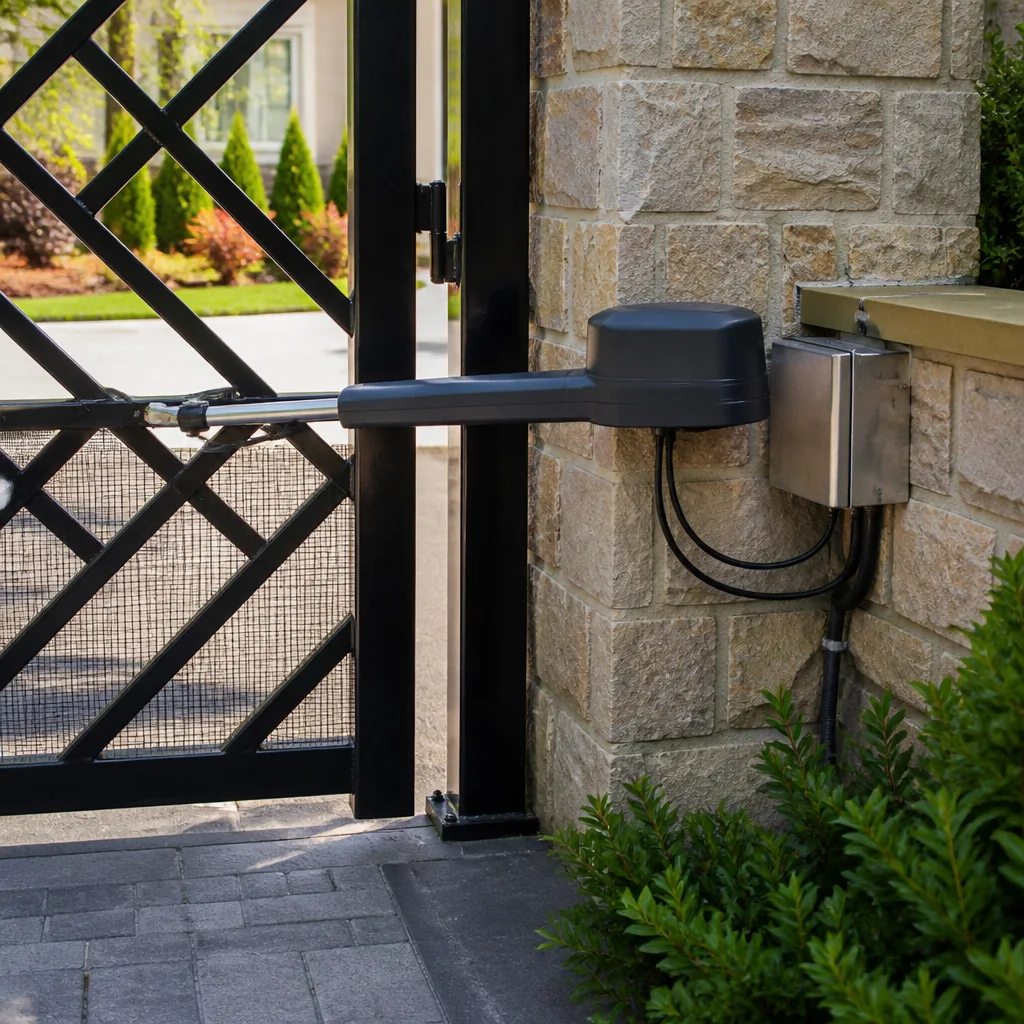 LiftMaster operators
Free on-site gate assessment - hinges, posts, and your LiftMaster or Nice gate operator checked before anything is quoted
The assessment is free and the quote is the invoice.
Get your free estimateGate Repair Maintenance Checklist for Naperville Homeowners
Lubricating hinges is the advice every gate checklist gives, and it’s the task that matters least. Here’s what nobody tells you: the limit switch setting that keeps your gate from slamming into the stop post drifts a few millimeters every freeze-thaw cycle, and almost no homeowner ever checks it. That drift is why a gate that ran clean in spring starts clunking by fall. Naperville sits on expansive clay subsoil that swells and shrinks with the seasons, and that ground movement quietly throws off gate geometry year after year. This guide gives you a checklist built around local conditions, with pass/fail criteria for every component, so you know exactly what to check, how often, and what to leave to a professional.
Quick Answer
A gate maintenance checklist for Naperville homeowners should cover four things: soil and post inspection (because clay movement shifts post plumb), mechanical checks on hinges, rollers, and stops, electrical checks on the control board, battery backup, and safety loops, and a frequency schedule matched to your gate type and daily cycle count. Residential gates need a full check twice a year, once after the spring thaw and once before the ground freezes. Light commercial and HOA gates running high cycle counts need quarterly checks. Anything involving the operator’s power supply, control board, or safety edges belongs with a trained gate technician.
Styles & brands we work with
- Wrought iron
- Wood & steel frame
- Farm & ranch
- Sliding driveway gates
- LiftMaster operators
Table of Contents
- Why Naperville’s Clay Soil Changes Your Gate Every Season
- Mechanical Checklist: Posts, Hinges, Rollers, and Stops
- The Electrical Checks Homeowners Skip
- How Often Should You Check Your Gate? A Frequency Table
- Swing Gate vs. Slide Gate: What’s Different
- Red Flags That Need a Professional Now vs. What Can Wait
- Seasonal Timing for Naperville: Spring Thaw and Fall Freeze
Why Naperville’s Clay Soil Changes Your Gate Every Season
Naperville’s subsoil is heavy, expansive clay, and that single fact reshapes how gate maintenance works here compared to most of the country. Expansive clay absorbs water and swells in wet months, then shrinks and settles as it dries. A gate post set in proper footing depth can still move a fraction of an inch over a season, and on a swing gate especially, a shift at the hinge post translates into visible sag at the latch end. The tolerances you dial in during a dry spell won’t hold through a wet one.
This is the reason a once-a-year maintenance pass doesn’t cut it in Naperville. The gate geometry you set after the spring thaw has to be rechecked before the ground freezes again, because the soil will have moved in between. What we’ve seen in our gate work across the area is that most “mystery” problems, a gate that suddenly drags, a latch that won’t engage, a swing that clips the post, trace back to post movement rather than a failed component.
Soil-Movement Inspection Protocol
- Check post plumb. Hold a level against each gate post on two faces. A post that reads off-plumb in the same direction twice in a row, spring and fall, is actively moving.
- Look for soil cracks and gaps at the base. A visible gap where the post meets the ground means the soil has pulled away, which is your first sign of seasonal shrink.
- Watch the latch gap. Measure the gap between the gate frame and the latch post. If it grows or shrinks more than a small amount between seasons, the posts are moving relative to each other.
- Test the gate by hand. With the operator disengaged, swing or slide the gate through its full travel. Any point where it binds or needs a push is a geometry problem, not a hardware problem.
- Photograph the base of each post each season. A dated photo record tells you more about movement than any single inspection.
If your posts are moving consistently in one direction year over year, adjusting the gate hardware won’t fix it. That’s a post and footing question for a specialist, and it’s the kind of thing worth catching before it turns into a full re-set. For a deeper look at how we approach the mechanical side of this, see our gate repair service.
Mechanical Checklist: Posts, Hinges, Rollers, and Stops
A mechanical gate check without pass/fail criteria is just a walk-around. Here’s what to actually test and what constitutes a pass. Do this with the operator disengaged so you’re feeling the gate itself, not the motor.
- Hinges (swing gates): PASS if the gate swings with light hand pressure and the hinge plates show no visible play when you push the gate up and down at the frame. FAIL if you can rock the gate on its hinges or hear a metal-on-metal creak at the pivot.
- Hinge post and frame welding: PASS if there are no cracks at the weld joints and the hinge plate sits flush. FAIL on any crack, rust bloom at a weld, or a hinge that’s pulling away from the frame.
- Latch and stop post: PASS if the gate meets the stop without slamming and the latch engages with a light push. FAIL if the gate hits the stop hard, or the latch needs force or a lift to catch.
- Rollers and track (slide gates): PASS if the gate rolls with consistent resistance and you can see the rollers turning. FAIL on a flat-spotted or seized roller, or a track that’s lifting at the joints.
- Ground track and guide: PASS if the guide roller stays in the channel through the whole travel. FAIL if the gate rides up out of the guide or the channel is clogged with grit and debris.
- Limit switches and physical stops: PASS if the gate stops short of the post by a consistent small gap at both ends. FAIL if it slams into either stop, or if the open and close positions drift between cycles. This is the setting most checklists skip and the one that wears your operator hardest.
Clear dirt and leaf litter from the track and the base of the post openings as you go. In Naperville, wet fall leaves packed against a slide gate’s track turn into a grinding paste under the rollers through the winter. Keep fasteners snug but don’t torque them hard enough to crush a bushing; snug is enough.
The Electrical Checks Homeowners Skip
The electrical side of a gate is where most maintenance checklists stop cold, and it’s where the surprising failures hide. On any automated gate, the operator’s power supply, control board, and safety devices are the components that decide whether the gate runs safely. These are checks you can observe from the outside, not repairs you should make yourself. Never open a control box or touch wiring; the electrical side belongs to a trained technician.
What to observe (and report to a technician)
- Battery backup test: Most modern operators have a battery that lets the gate complete a cycle or two during a power loss. Test it by tripping the power at the breaker and running one full open-close cycle. PASS if the gate completes both moves smoothly. FAIL if it stalls, crawls, or won’t move. If the battery fails, don’t ride it out; a gate that can’t finish a cycle during an outage can trap a vehicle.
- Safety loop and sensor sensitivity: On a slide gate, the loop detector senses a vehicle and holds the gate open. PASS if a vehicle or a piece of metal placed over the loop area holds the gate. FAIL if the gate closes anyway. This is a safety device and a non-negotiable check.
- Intercom and access line continuity: If you have a keypad, intercom, or entry system, test it end to end each season. PASS if a call connects and the gate releases from the entry device. FAIL on static, dropped calls, or a keypad that reads but won’t trigger the operator. A DoorKing access system, for example, can look dead when the fault is a single interrupted line, and only a technician with a meter can confirm where the break is.
- Photo-eye and edge reversal: PASS if the gate reverses when an object breaks the beam or presses the safety edge. FAIL if it keeps closing. Stop using the gate until this is fixed.
Battery age, board condition, and line faults are all things a gate specialist diagnoses on-site. If your system is a Linear, Viking, or DoorKing operator and it’s acting up, that’s exactly the diagnostics work we cover under electric gate repair. For automated gates, the safety devices aren’t optional, and a passing checklist that skips them isn’t a passing checklist.
How Often Should You Check Your Gate? A Frequency Table
Frequency depends on two things: gate type and how many times the gate runs per day. A swing gate on a residential driveway that cycles a few times a day has a totally different service rhythm than a slide gate at a small commercial lot cycling dozens of times. Use the table below as your baseline for a Naperville gate.
- Residential swing gate, low daily cycles: Full checklist twice a year, once after the spring thaw and once before the ground freezes. Limit switch check both times.
- Residential slide gate, low daily cycles: Full checklist twice a year, plus a track and roller clearing in late fall before leaf season peaks.
- Residential automated gate, moderate daily cycles: Full checklist twice a year, plus a quick visual on hinges, track, and stops every other month.
- Light commercial or HOA gate, high daily cycles: Full checklist quarterly. Limit switches, safety loops, and battery backup tested every quarter because high cycle counts wear them fastest.
- Any automated gate after a storm or a long power outage: Full checklist immediately, regardless of schedule.
The general rule: double your frequency for a slide gate versus a swing gate at the same cycle count, because a slide gate has rollers, a track, and a guide that a swing gate doesn’t. Then add a cycle for anything in commercial or HOA service. In our experience, the gates that fail least are the ones on a schedule that matches their actual workload, not a one-size generic annual pass.
Swing Gate vs. Slide Gate: What’s Different
Swing gates pivot and slide gates roll, and the maintenance emphasis follows directly. A swing gate’s weak points are its hinge post, hinges, and the latch and stop on the far side. A slide gate’s weak points are its rollers, track, and guide channel. Mixing the two checklists is the fastest way to miss the component that actually fails.
Swing gate focus
- Hinge plates and their welds, checked for play and cracks every season.
- Post plumb on the hinge side, since sag shows up at the latch end first.
- Latch gap and stop contact, checked for a hard slam.
- Gate frame racking: a swing gate that’s dropped will drag at the far bottom corner on closing.
Slide gate focus
- Roller condition and flat-spotting, especially on a heavy gate.
- Track and guide channel cleared of grit, leaves, and ice.
- Travel stop positions and limit switch drift at both ends.
- Guide roller staying in the channel through the full run.
There’s one safety item that matters more on a slide gate: a heavy slide panel that comes off its track can crush whatever’s in its path. Keep the rollers and guide in spec, and if the gate ever rides up out of the guide, stop cycling it until a technician looks. If you’re weighing a new install for a lot that carries one gate type better than the other, our Gate Repair Naperville page walks through system options across residential and light commercial equipment. For a broader view of the city, our Naperville page is a good starting point.
Red Flags That Need a Professional Now vs. What Can Wait
The useful distinction in gate maintenance is between findings you fix now and findings you schedule. A checklist is only worth running if it tells you which is which. Here’s how we sort them.
Stop and call a professional
- Safety device failure. A safety edge or photo-eye that doesn’t reverse the gate, or a loop detector that closes on a vehicle, is a hard stop. Don’t cycle the gate until it’s fixed.
- The gate comes off its track or guide. A slide gate riding up out of the channel is a crush hazard. Stop using it.
- Arcing, burning smell, or scorch marks at the control box. Don’t open it. This is an electrical fault for a technician.
- A gate that won’t finish a cycle on battery backup. A gate that stalls mid-travel during a power loss can trap a vehicle or block an entry.
- Post moving consistently in one direction. A post that’s leaning further every season needs a footing and post assessment, not hardware tweaks.
Can wait for a scheduled visit
- Hinge squeak or light play without a change in gate swing.
- A latch that needs a gentle nudge but still engages reliably.
- Cosmetic rust on a weld with no crack behind it.
- Limit switch drift of a few millimeters that hasn’t yet caused slamming.
- A keypad that reads a card but hesitates on release, if the gate itself runs clean.
When in doubt on the electrical side, treat it as a now-item. We can diagnose mechanical and automation faults in a single visit, so a scheduled visit for a small item is a good time to have a technician look twice at anything borderline. If your operator is a Ghost Controls, Mighty Mule, or similar residential system and it’s throwing a fault you can’t place, a single diagnostic visit usually settles it.
Seasonal Timing for Naperville: Spring Thaw and Fall Freeze
The two anchor points for any Naperville gate checklist are the spring thaw and the fall freeze, because those are the two moments when the clay subsoil is doing the most moving. Time your checks around them and the rest of the year takes care of itself.
Spring thaw check (the important one)
- Inspect post plumb on every post before you touch the operator.
- Check hinge, roller, and track condition for winter wear and grit.
- Verify limit switch open and close positions; reset if the gate is slamming.
- Test battery backup and safety devices after a wet spell with potential power interruptions.
- Clear winter debris from the track and guide channel.
Fall freeze check
- Recheck post plumb against your spring reading to spot directional movement.
- Settle fasteners and confirm latch and stop contact.
- Clear leaf litter from slide gate tracks; wet leaves packed against rollers grind through the winter.
- Test the safety loop and edge reversal before cold weather stresses the operator.
- Confirm battery backup before the first hard freeze.
Storm or outage check (as needed)
After a windstorm or a long power outage, run the full checklist once. Storms jar gates and strain posts, and an outage is the moment a weak battery reveals itself. Better to find it on your schedule than during the next one.
Common Mistakes to Avoid
- Running an annual checklist and calling it done. Naperville’s clay moves between spring and fall, so a single yearly pass misses the mid-year geometry drift entirely. Two checks a year is the minimum here.
- Lubricating hinges and stopping there. Hinge oil is the easy task. The limit switch setting, battery backup, and safety loop are the checks that actually prevent failures and injuries.
- Adjusting hardware to chase a sagging gate. If the hinge post is moving, adjusting hinges masks the real problem and lets the post lean further every season. Fix the post, not just the symptom.
- Opening the control box yourself. Board and wiring work is a technician’s job. A gate specialist diagnoses automation faults with the right tools; a homeowner with a screwdriver can turn a small fault into a dead operator.
- Letting a slide gate ride out of its guide. A heavy panel that’s come off its track is a crush hazard, not a squeak. Stop using the gate and call.
- Ignoring safety device failures because the gate “still works.” A gate that closes on a vehicle still “works” right up until it doesn’t. Safety edges and loops are non-negotiable checks.
- Booking a technician for a borderline fault and forgetting to mention it. If a latch, limit switch, or keypad is hesitating, say so when you schedule. We can diagnose mechanical and electrical faults in one visit, and it’s cheaper than a second trip.
See the difference
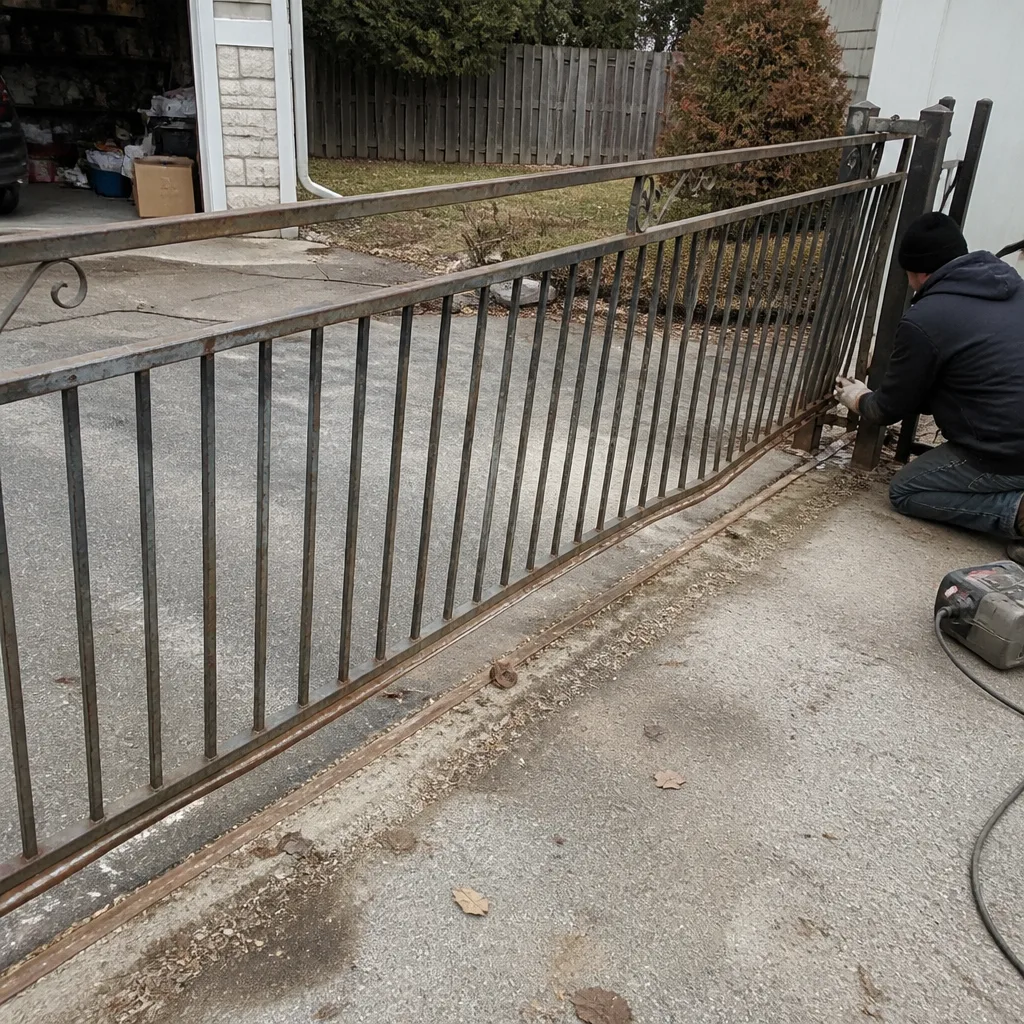 Before
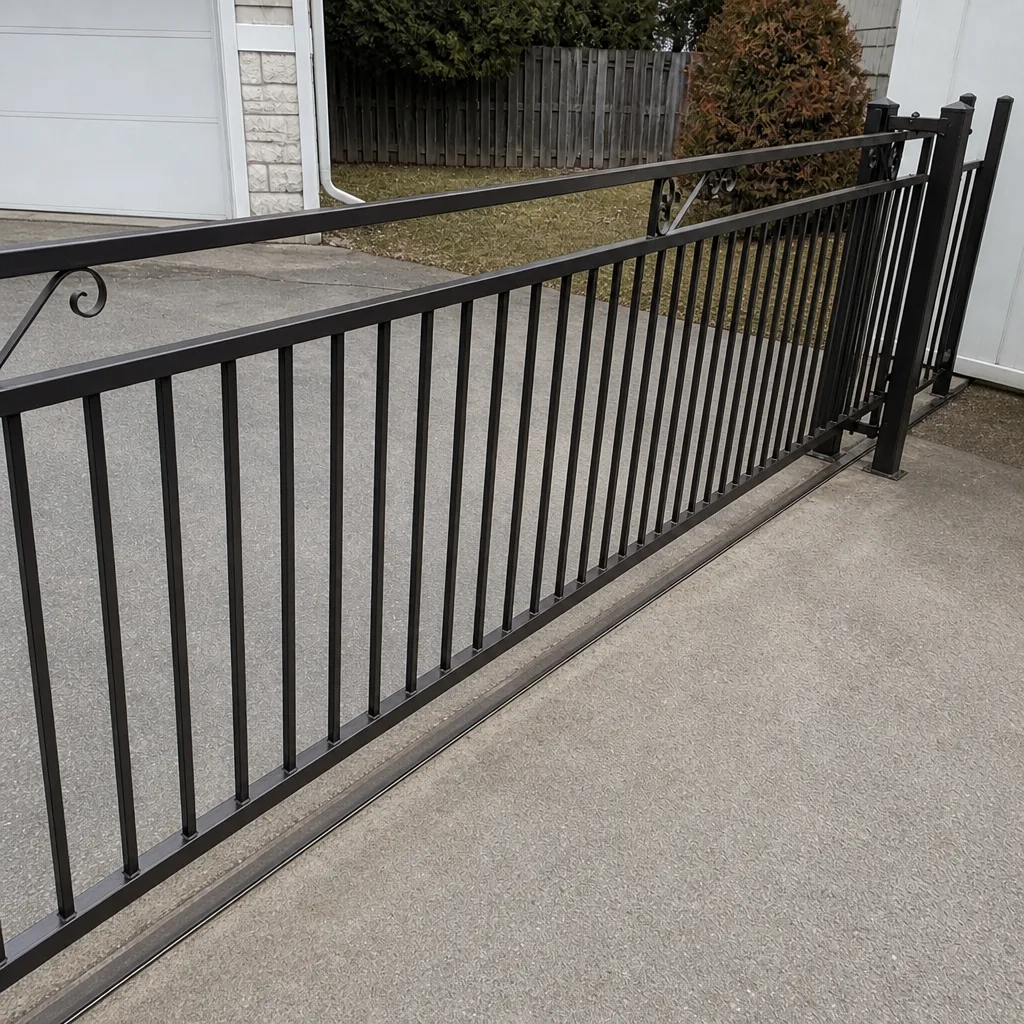 After
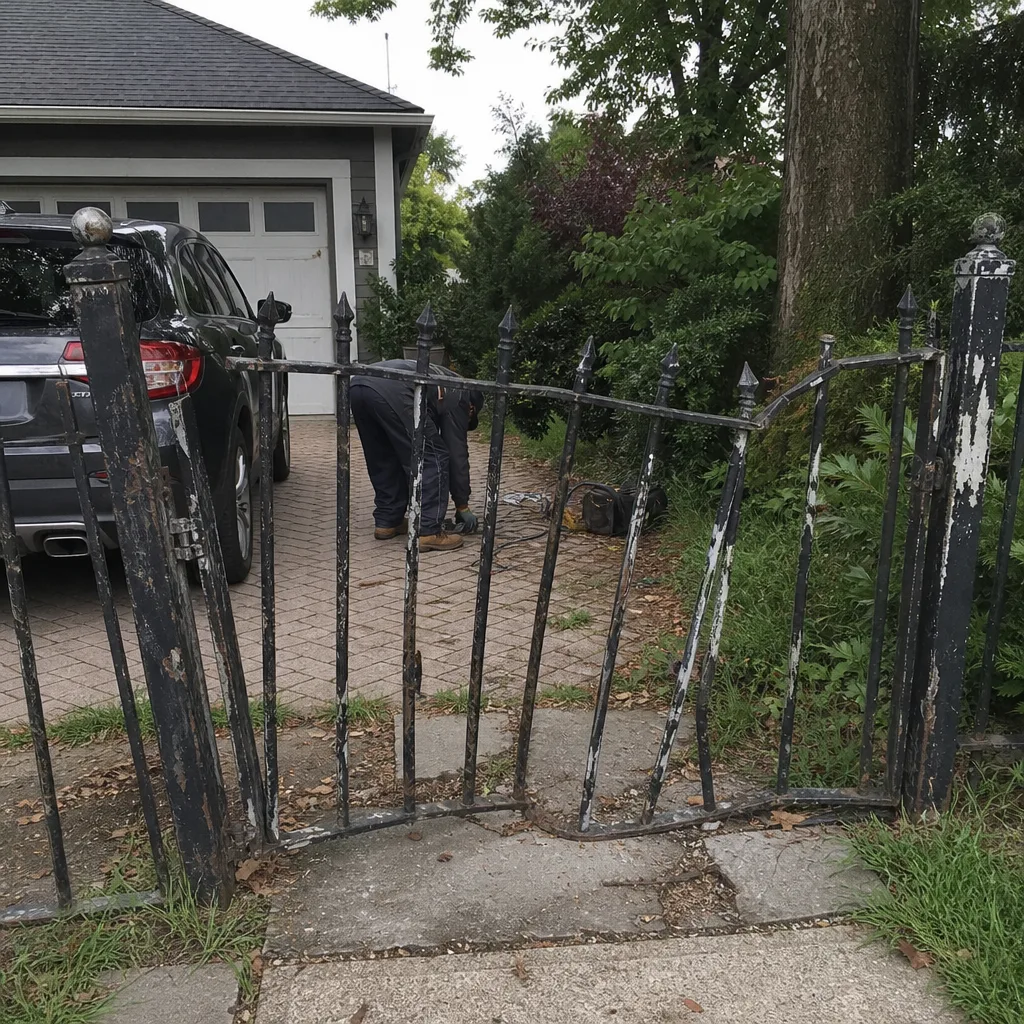 Before
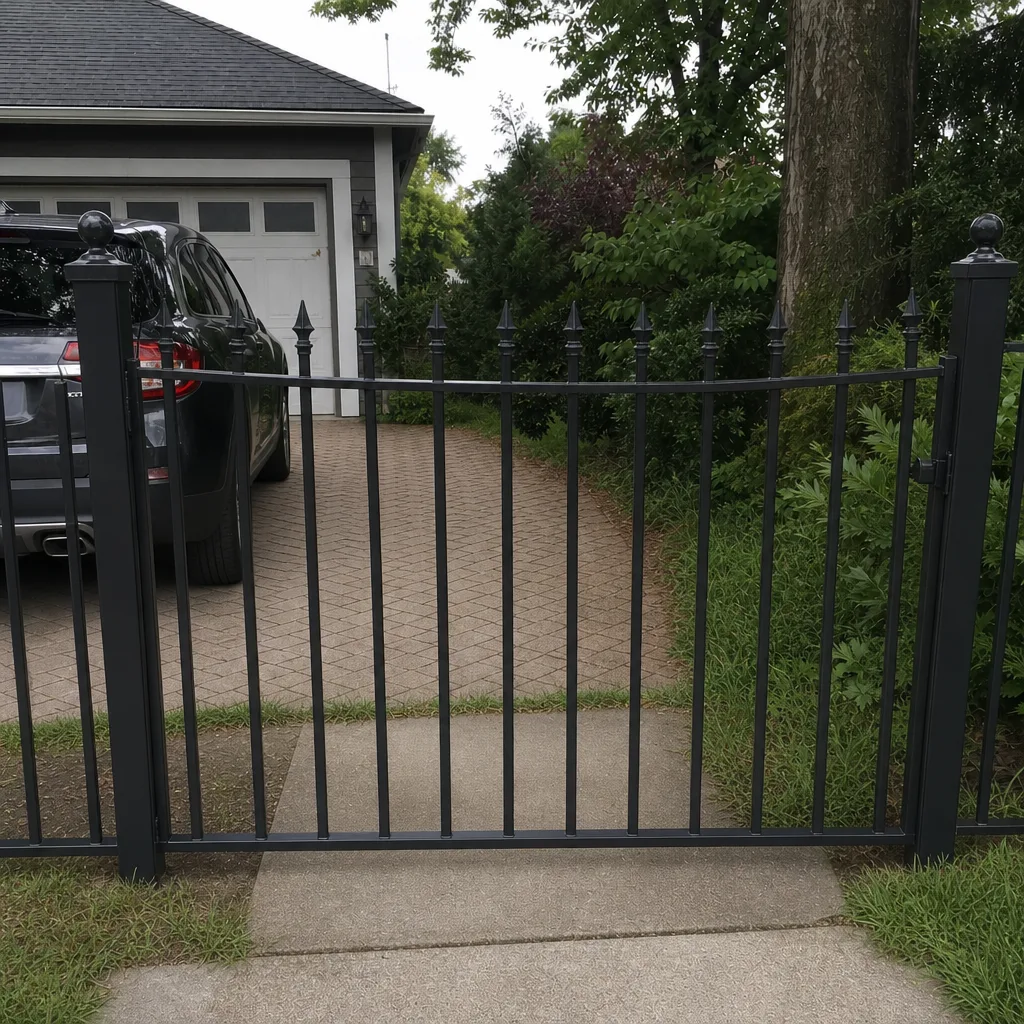 After
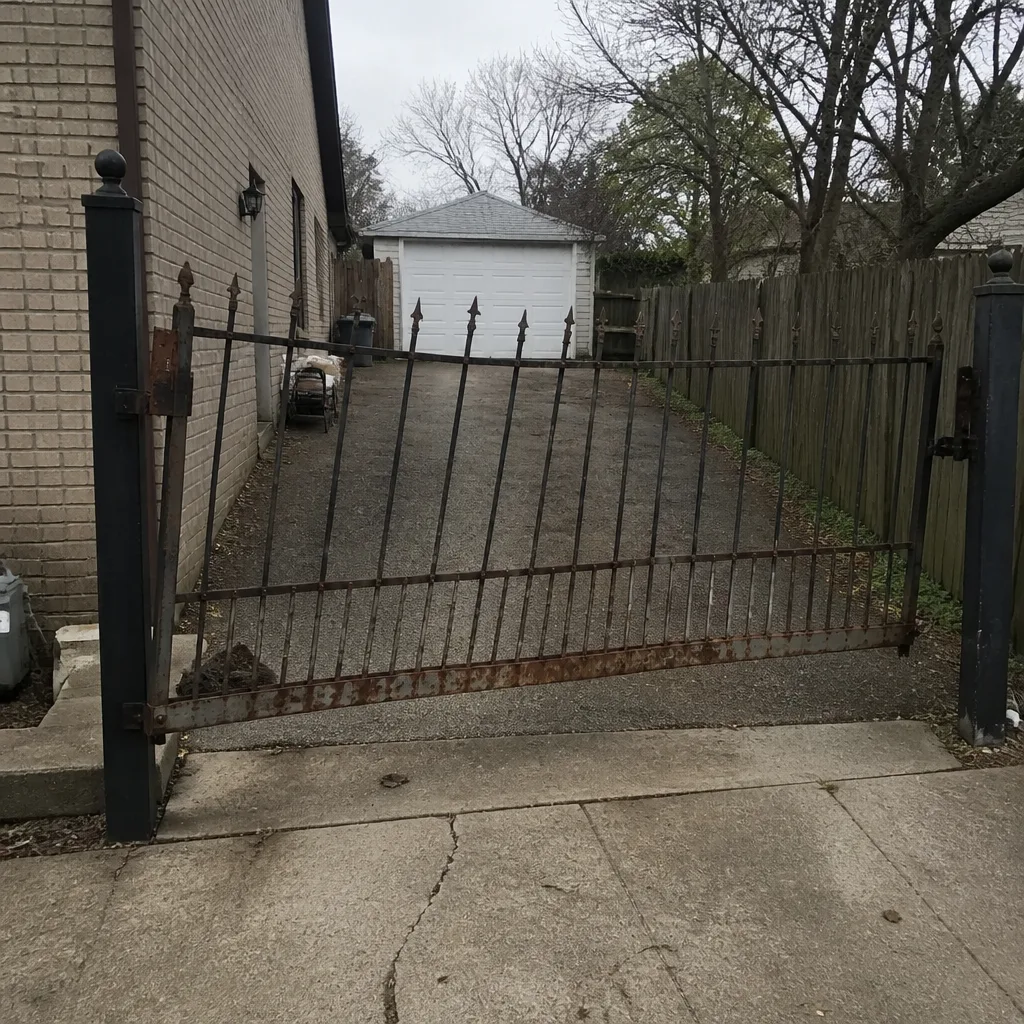 Before
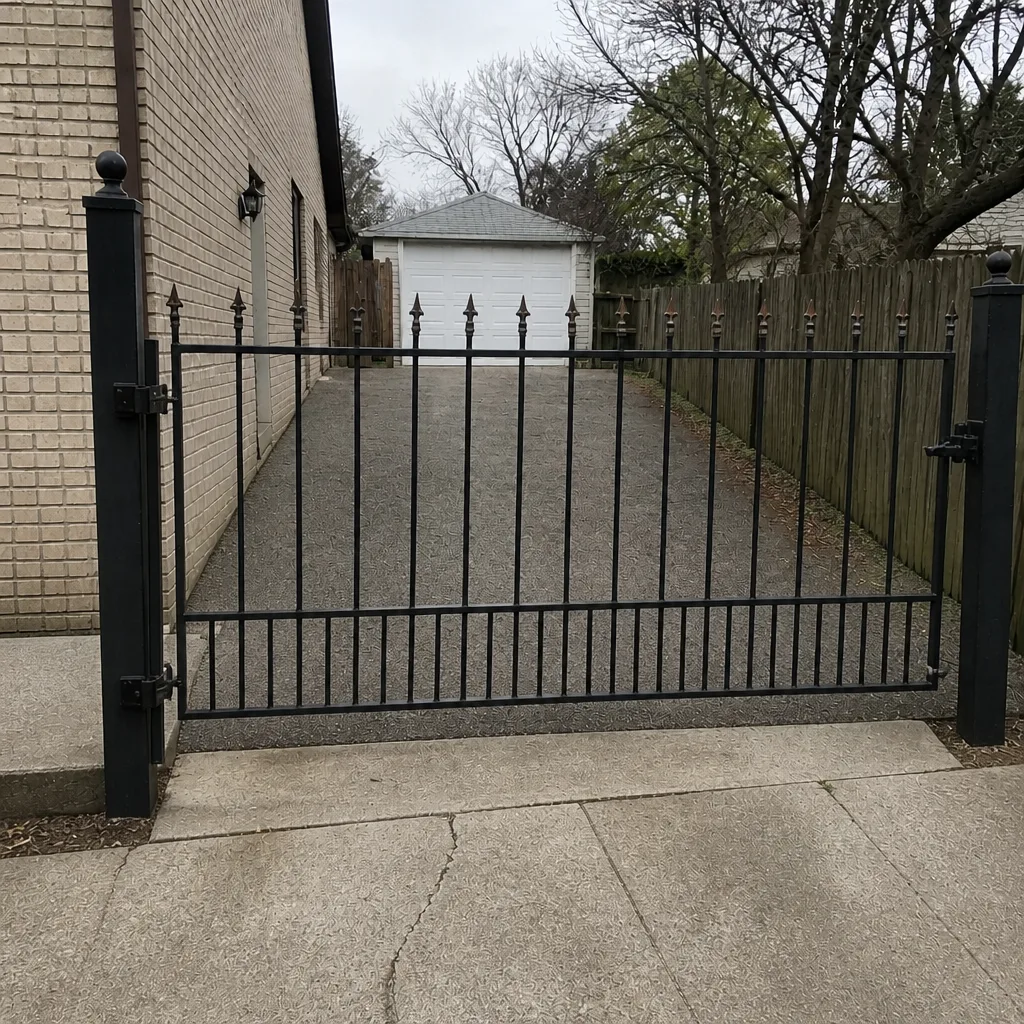 After
When to Call a Professional
Call a gate professional when the finding is electrical, when a safety device has failed, when the gate has come off its track or guide, or when a post is moving directionally. Those aren’t homeowner adjustments; they need the right tools and a trained eye. Also call when a limit switch can’t be dialed back into a consistent stop, when a battery backup won’t complete a cycle, or when a control board, keypad, or intercom reads but won’t trigger the operator. We work on LiftMaster, FAAC, BFT, Linear, Viking, Ghost Controls, DoorKing, Elite, and Mighty Mule systems specifically, and we diagnose mechanical and automation faults together. Our technicians have up to 8 years of experience, and we specialize in gate work exclusively, not fence or garage-door work as a sideline. Gate Repair Naperville offers free estimates in Naperville. Call (888) 569-7811. We’ll tell you what’s a now-item and what can wait.
Frequently Asked Questions
Twice a year at minimum, once after the spring thaw and once before the ground freezes, because Naperville’s clay subsoil moves between those two points and shifts gate geometry. Light commercial and HOA gates with high cycle counts need quarterly checks. A swing gate is a little more forgiving than a slide gate at the same workload.
Because the soil under your posts moves. Expansive clay swells when wet and shrinks when dry, so post plumb shifts seasonally and sag shows up at the latch end. If a post reads off-plumb in the same direction twice in a row, the post itself needs assessment, not just a hardware adjustment. Call (888) 569-7811 for a free estimate.
You can check post plumb, hinge play, roller and track condition, latch contact, and you can test the battery backup and safety devices by running the gate. A technician handles anything inside the control box: wiring, the board, line faults, and safety-loop diagnostics. Never open the control box yourself.
Usually a repair. A gate that won’t respond at all is often a control board, power, or safety-device fault rather than a wear item, and it needs diagnostics. We work on Linear, Viking, DoorKing, and the rest of the nine brands we service, and we can trace a fault in a single visit. Call (888) 569-7811.
A safety edge or photo-eye that doesn’t reverse the gate, a loop detector that closes on a vehicle, a slide gate that’s come off its track or guide, arcing or a burning smell at the control box, and a gate that won’t finish a cycle on battery backup. Any of those is a stop-and-call moment.
We work on nine major brands: LiftMaster, FAAC, BFT, Linear, Viking, Ghost Controls, DoorKing, Elite, and Mighty Mule. That spans residential entry-level systems up through professional-grade commercial equipment. If your system is on that list, we know its failure points. Call (888) 569-7811 to book a free estimate.
The Bottom Line
A gate maintenance checklist for Naperville has to account for the ground under the gate, not just the gate itself. The clay subsoil moves between spring and fall, so a twice-a-year schedule anchored to the thaw and the first freeze beats any generic annual pass. Check post plumb, hinges, rollers, and stops for wear, test battery backup and safety devices every season, and leave anything inside the control box to a trained gate technician. Fix a moving post before you chase a sagging gate. And treat safety device failures as stop-now items, not next-visit items. Keep that rhythm and your gate stays aligned, safe, and reliable through the seasons.
Contact
If your gate is due for a check, due for a repair, or just needs a professional’s eye, we’re glad to help. Our technicians specialize in gate work exclusively and can diagnose mechanical and automation faults in one visit. Free estimates, and the price is quoted and agreed before any work starts. Call (888) 569-7811 for a free estimate. We answer 24/7. Fast dispatch from 7am to 7pm, Sunday through Friday.
Written by the team at Gate Repair Naperville.