
Last updated November 15, 2026
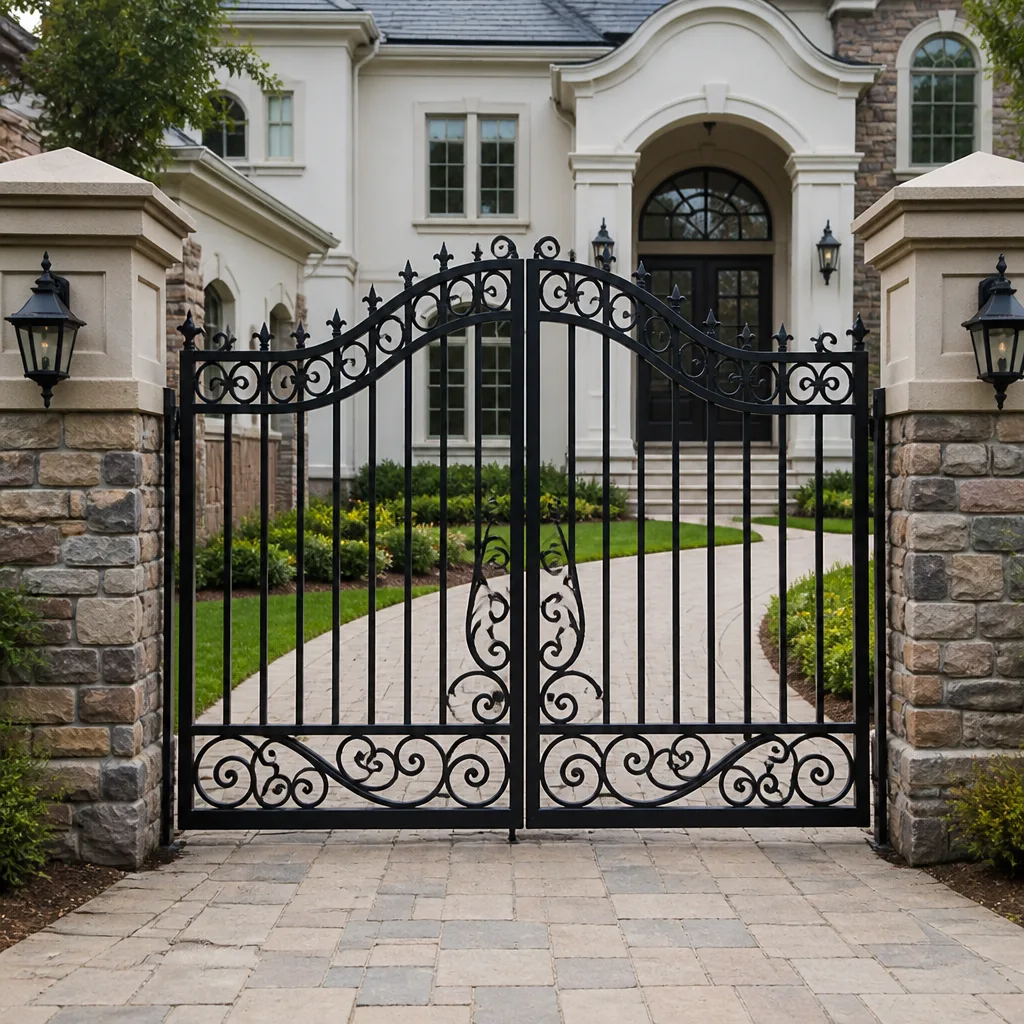 Wrought iron
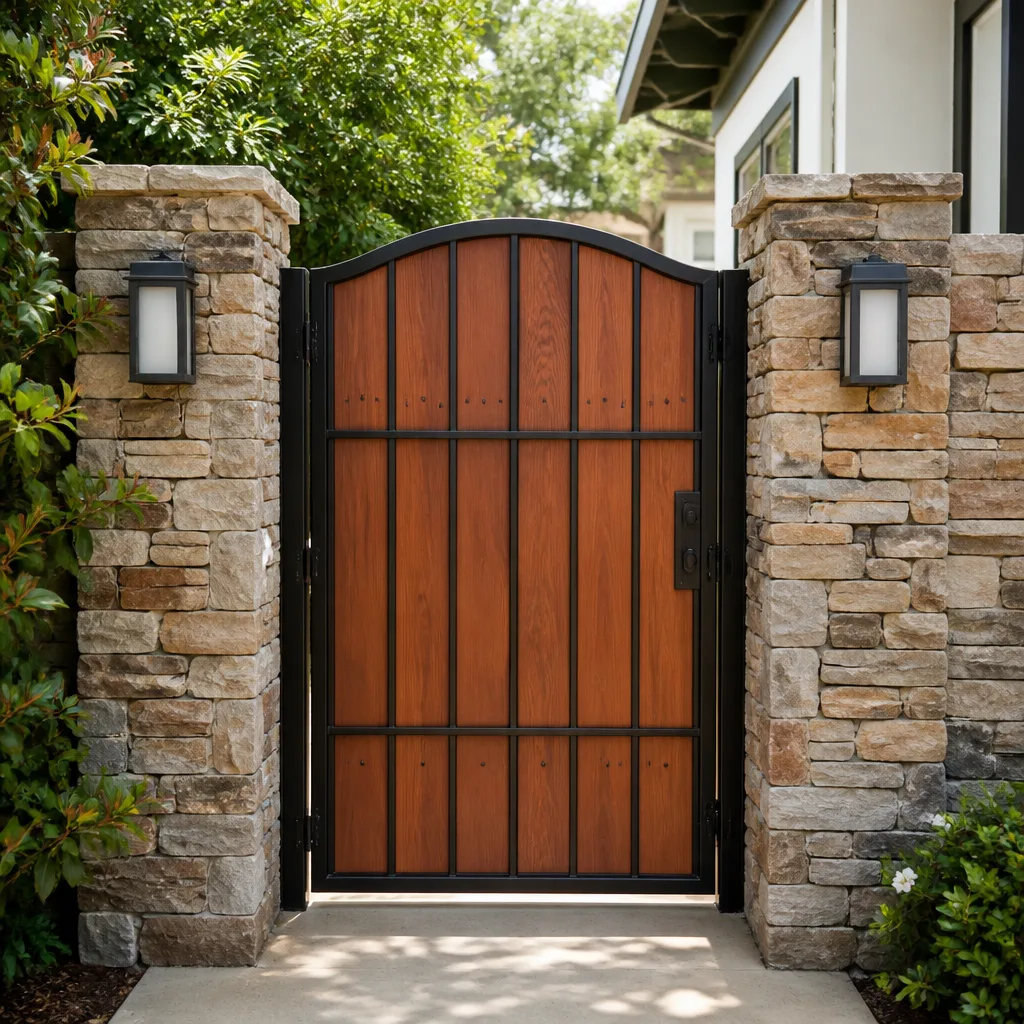 Wood & steel frame
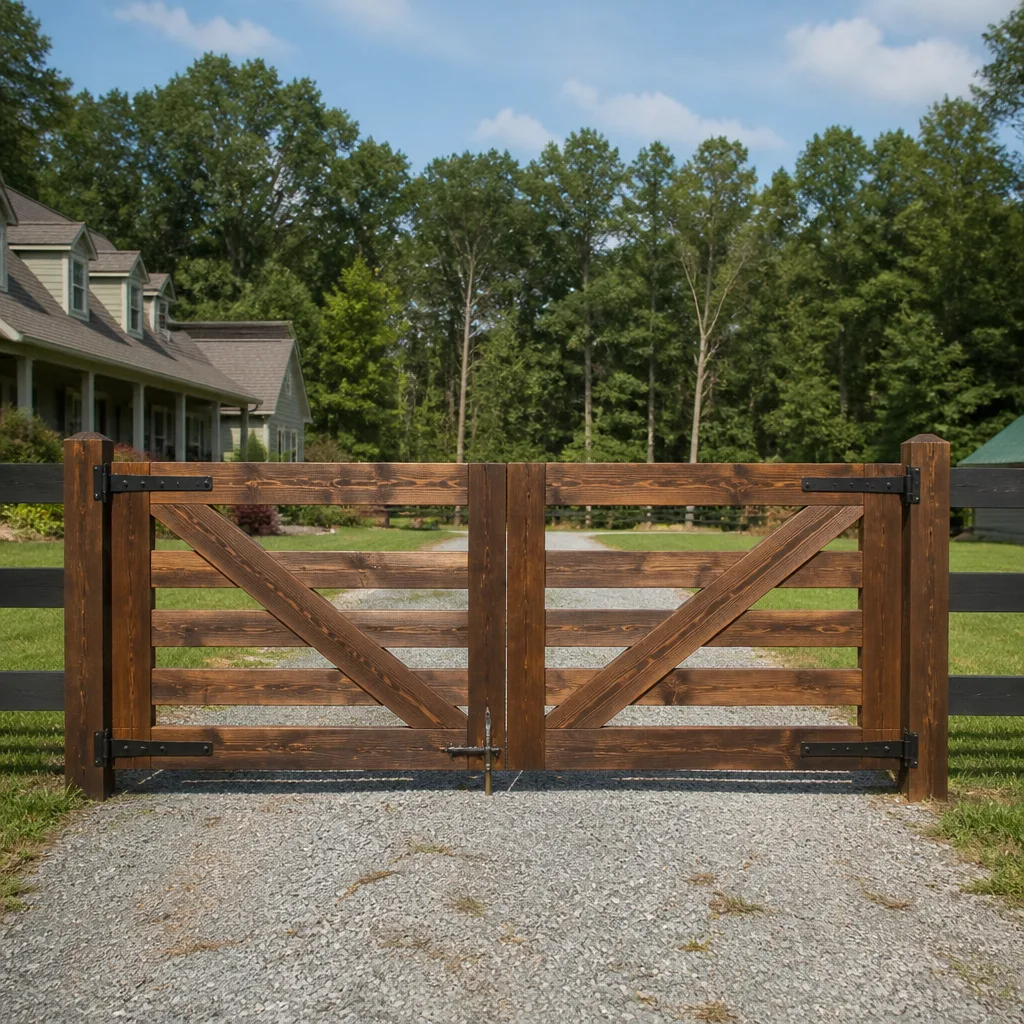 Farm & ranch
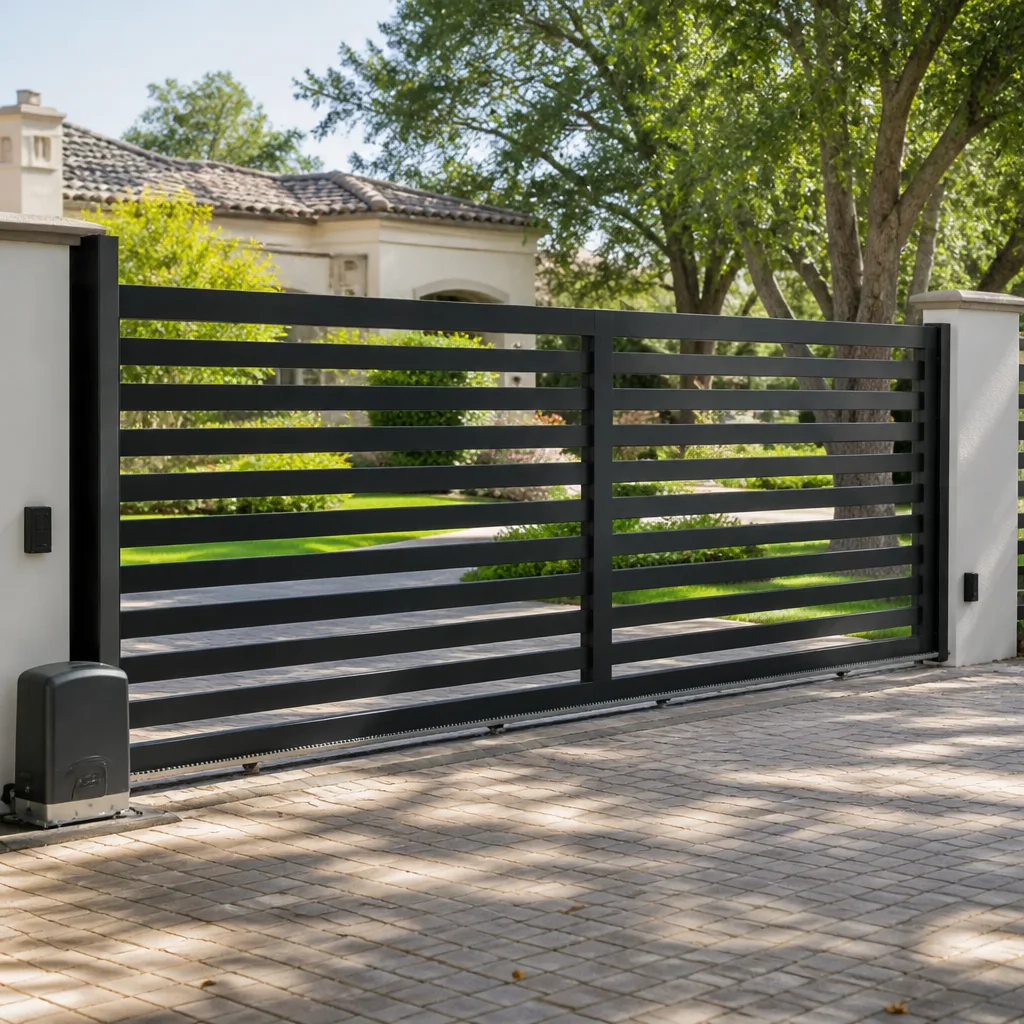 Sliding driveway gates
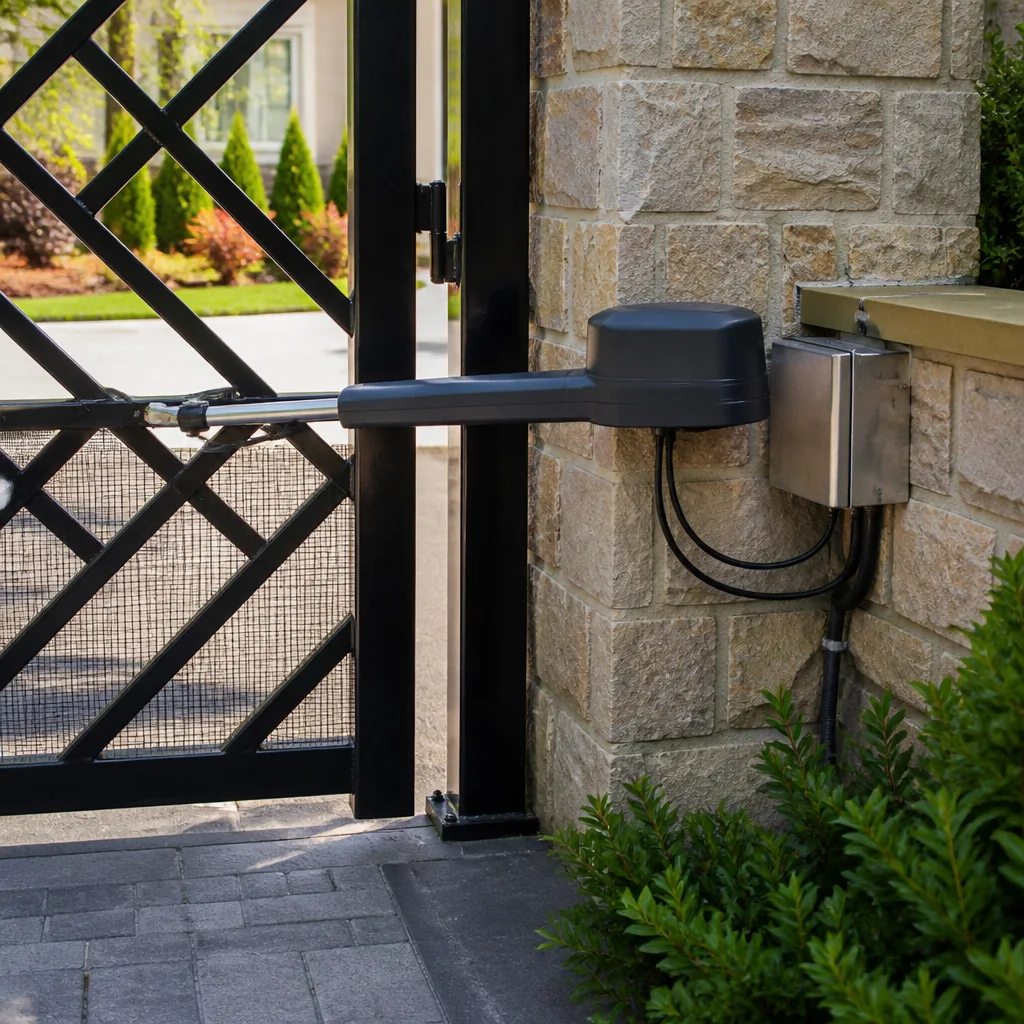 LiftMaster operators
Free on-site gate assessment - hinges, posts, and your LiftMaster or Nice gate operator checked before anything is quoted
The assessment is free and the quote is the invoice.
Get your free estimateThe Complete Guide to Gate Repair in Naperville
A gate that reverses before it closes isn’t necessarily a motor problem. In our experience, a large share of “failing motor” calls trace back to a misaligned safety sensor, a loose hinge, or a travel limit that drifted by a quarter inch. The homeowner gets billed for a control board or an operator they didn’t need, and the gate keeps misbehaving. Almost every gate failure in Naperville comes down to one of four root causes: mechanical wear, electrical or control faults, environmental movement from our freeze-thaw cycle, or a misconfigured safety device. This guide maps the symptoms you’re seeing to the fix that actually addresses them, so you authorize the right repair the first time.
Quick Answer
Gate repair in Naperville means matching your gate’s symptom to its real root cause before any part gets replaced. Most failures fall into four buckets: mechanical, electrical, environmental, or safety-device misalignment. A proper diagnosis separates a fifteen-minute adjustment from a full operator replacement, and a written estimate should always reflect which one you actually need.
Styles & brands we work with
- Wrought iron
- Wood & steel frame
- Farm & ranch
- Sliding driveway gates
- LiftMaster operators
Table of Contents
- The Four Root Causes Behind Nearly Every Gate Failure
- The Failure-Mode Matrix: Symptom to Root Cause
- Brand-Specific Quirks: Why Fault Codes Mean Different Things
- When Naperville’s Freeze-Thaw Cycle Is the Real Culprit
- Adjustment, Repair, or Rebuild: Which Do You Need?
- How to Audit a Repair Quote Before You Authorize Work
- What You Can Check Yourself, and What You Shouldn’t
- Manual vs. Automated Gates in Naperville Homes
The Four Root Causes Behind Nearly Every Gate Failure
Gate problems feel chaotic until you sort them. In Naperville, the overwhelming majority of failures come back to one of four root causes, and each has a very different repair cost. Knowing which category you’re in is the difference between a small adjustment and a major component replacement.
1. Mechanical wear. Hinges sag, rollers flatten, tracks bend, and latches fall out of alignment. This is the most common category on older swing and slide gates. The operator often gets blamed when the physics of the gate itself have simply drifted out of true.
2. Electrical and control faults. Dead batteries in the receiver, a control board that lost its programming, a short in the loop wiring, or a failed photocell. Automated gates concentrate most of their diagnosing challenges here. This is what we handle as electric gate repair, and it’s where brand familiarity matters most.
3. Environmental movement. Naperville sits in a climate with real freeze-thaw cycles, and that movement works on posts, slabs, and hinge points every winter. A gate that closed cleanly in October can drag in March. This category is easy to misdiagnose as a mechanical fault when the ground itself has shifted.
4. Safety-device misalignment. Photocells, safety edges, and reverse sensors get knocked out of alignment constantly. A gate that reverses on close, or stops mid-travel, is often a sensor problem, not a motor problem. It’s also the cheapest category to fix when it’s caught correctly.
Once you know your category, the rest of the diagnosis clicks into place. Everything below builds on these four buckets.
The Failure-Mode Matrix: Symptom to Root Cause
Match your symptom to the table below before you call anyone. This is how a trained technician thinks through a gate problem, and it’s how you’ll know whether a proposed repair actually matches what your gate is doing.
Symptom-to-Cause Reference
- Gate opens slowly or strains: Most likely mechanical. Worn hinges, a binding track, or a failing operator gearbox. On slide gates, check the rollers first.
- Gate reverses before closing: Most likely a safety device. Misaligned photocell, dirty lens, or a safety edge that thinks it sees an obstruction.
- Gate stops mid-travel and won’t continue: Often a travel limit that drifted, or a control board that lost its position memory. Also common after a power interruption.
- Grinding or scraping on open or close: Mechanical. A bent track, a worn gear, or a hinge pulling out of its post.
- Dead operator, no response to remote: Electrical. Dead battery, receiver fault, or a tripped breaker feeding the operator.
- Gate cycles by itself: Electrical. Usually a stuck remote button, a shorted loop, or a control board fault.
- Uneven gap at the latch: Environmental or mechanical. Post movement or hinge sag.
- Grinding only in cold weather: Environmental. Freeze-thaw movement has changed the geometry of the gate or the ground beneath it.
Naperville gates built on sloped driveways, of which there are plenty in the older neighborhoods, add one more wrinkle: gravity-driven swing gates can drift out of alignment faster because the grade keeps working against the hinges. If your gate is on a slope, lean toward the mechanical and environmental categories first. That single assumption saves a lot of misdiagnosis. The gate repair Naperville process we follow starts with this matrix before any tool comes out of the bag.
Brand-Specific Quirks: Why Fault Codes Mean Different Things
A LiftMaster fault code doesn’t tell you the same thing as a FAAC fault code. Neither does a Linear blink pattern mean what a DoorKing display means. This is the single biggest reason generalists misdiagnose automated gates. They read the code, guess at the meaning, and order a part.
Each brand builds its logic differently. LiftMaster residential operators lean heavily on safety-reverse conditions and report them with distinct blink counts. FAAC commercial operators, by contrast, often surface a fault code tied to the encoder or the limit switch. Linear and Viking systems (both common on residential and light-commercial gates) tend to communicate through LED sequences rather than numeric codes. DoorKing units installed at gated communities often report access-control faults on the entry system side, not the gate operator side at all. Ghost Controls has its own diagnostic language again, oriented toward the residential DIY-friendly market. If your service technician only knows one brand, they’re guessing at the rest.
Here’s why this matters to your wallet. Say your gate stops mid-travel. On one system that fault means “encoder has lost position memory.” On another it means “motor has drawn too much current.” The first is often a reset. The second is often a component replacement. Two very different bills, same symptom.
We work on nine brands specifically, and the ones we see most on Naperville properties are the residential-to-mid-tier systems: Linear, Viking, Ghost Controls, and DoorKing. Whether your gate is a Linear slide gate or a DoorKing at the front of a community entry, the brand familiarity shapes the entire diagnosis. It’s the reason single-brand gate services hand off the odd jobs they can’t read. When in doubt, ask the technician which brands they work on before you book. Their answer tells you everything.
When Naperville’s Freeze-Thaw Cycle Is the Real Culprit
Naperville’s winters move ground. Freeze-thaw cycles lift and settle the soil beneath gate posts, and every winter the whole gate assembly shifts a fraction of an inch. By the time spring arrives, a gate that worked flawlessly in the fall is dragging, catching, or misaligning. This is not a mechanical failure. It’s environmental movement, and it needs a different fix than a worn hinge.
You can tell the difference by the pattern:
- Timing. If the symptom appeared after the first hard freeze or after the spring thaw, suspect environmental movement first. If it appeared in mid-summer with no weather event, look at mechanical or electrical.
- Consistency. Environmental problems tend to be worst first thing in the morning and ease as the day warms up, because the ground is still moving. Mechanical problems are consistent.
- Location of the friction. Look at where the gate is catching. If the friction is at the ground, the post, or the latch point on the fixed side, the geometry has moved. If it’s inside the operator, it’s a mechanical or electrical fault.
- Age of the installation. Newer posts and slabs haven’t finished settling. Older installations where the post footings were shallow can be especially prone to winter heave.
The fix for environmental movement is usually a re-level of the gate, a shim at the hinge, and a re-set of the travel limits. That’s a modest repair. The fix for a misdiagnosed “it just needs a new motor” is much larger. Naperville homeowners spend real money every year on operator replacements that were really post-movement adjustments. Before you authorize a full operator swap in late winter or early spring, ask whether the geometry was checked first.
Naperville’s summer heat is a milder version of the same problem: swelling wood and expanding metal can cause binding that disappears when the temperature drops. If your gate is stiff only in July, that’s a geometry and material question, not a motor question. Good local gate work always includes a walk-through of the gate’s actual movement in the current season.
Adjustment, Repair, or Rebuild: Which Do You Need?
Three words get used interchangeably in gate work, and they cost very different amounts. Getting the right one is the heart of avoiding a misdiagnosed bill.
Adjustment
An adjustment corrects the setting or alignment of parts that are still in good condition. Examples: travel limits reset, photocells realigned, hinges tightened, latch height tweaked, control board reprogrammed. Adjustments are the smallest category of work. If your gate is fundamentally sound and simply out of tune, this is what you need. Many of the “motor is dead” calls we see are adjustment calls in disguise.
Repair
A repair replaces a failed component while the system as a whole stays in service. Examples: a single hinge replaced, a safety edge renewed, a control board swapped, a receiver replaced, an actuator rebuilt. Repairs sit in the middle. They cost more than an adjustment and less than a rebuild, and the gate keeps the same overall design.
Rebuild
A rebuild replaces the major structural elements or the entire operator at once. Examples: new posts, a new track, a new operator, a new access-control system. Rebuilds make sense when multiple components have failed at once, when the gate has structural problems beyond a component-level fix, or when the owner is upgrading from a manual gate to automation. This is where new installation work overlaps with repair work, and where the decision has the biggest price tag.
How to choose: ask your technician to state plainly which of the three categories your gate needs and why. If they can’t give you a straight answer, you don’t have a diagnosis yet. A rebuild on a gate that only needed an adjustment is the single most expensive mistake we see in this trade. Our team at gate repair always names the category before naming a price.
How to Audit a Repair Quote Before You Authorize Work
A repair quote is only as good as the diagnosis behind it. Before you sign, run the quote through this audit. It takes five minutes and saves real money.
- Does the quote name the failure mode? A legitimate quote says something like “safety photocell misaligned, realigned and tested” or “gate hinge worn, replaced and gate re-hung.” If the quote only says “gate not working, diagnosed and repaired,” ask for the specific failure.
- Does the proposed repair match the failure mode? If the symptom is “reverses before closing” and the quote is for a motor, that’s a mismatch. Reverse-on-close is a safety-device symptom almost every time.
- Is the diagnosis visible? Good gate work is testable. Ask the technician to show you the misaligned sensor, the worn hinge, or the fault code before replacing anything. If they can’t demonstrate the problem, the repair isn’t confirmed.
- Is a second category of failure being ruled out? A proper quote on an automated gate either confirms the operator is fine or explains why it isn’t. A quote that says “operator and safety edge both replaced” on a six-month-old installation should raise questions.
- Is the price range reasonable for the category? Adjustments sit at the low end. Component repairs sit in the middle. Operator replacements and rebuilds sit at the top. If a quote crosses categories from what your symptom implies, ask why.
- Is the estimate written? A written estimate, agreed before work begins, is your protection against an invoice bigger than the quote. Never authorize a gate repair from a verbal number.
We recommend that homeowners and property managers both keep the failure mode, the proposed fix, and the quoted range in writing. On commercial and HOA access-control systems, a DoorKing or BFT repair often involves the access system as well as the gate operator, and a written scope prevents guesswork. If the diagnosis doesn’t hold up, the quote doesn’t hold up. It’s that simple.
What You Can Check Yourself, and What You Shouldn’t
Some gate problems are safe to investigate. Others are genuinely dangerous, and we’d rather you call than get hurt. Here’s the split.
Safe to check on your own:
- Take a look at the photocells. Are both lenses clean, unobstructed, and pointed at each other? A leaf stuck in the beam, or a smudge, will cause reverse-on-close symptoms.
- Look at the gate’s swing or slide path. Is anything physically in the way, including debris, ice, or a fallen branch?
- Test the remote (with a fresh battery if it takes one) and try the wall control to see if the gate responds differently.
- Check the breaker that feeds the operator. Tripped breaker, dead operator.
- Look at the gap at the latch. A gate that has visibly sagged is a geometry problem, not likely a motor problem.
Not safe to check on your own:
Gate operators are wired to line voltage. Control boards, transformers, and connection terminals hold power even when the gate looks dead. If you’re troubleshooting anything past the visible mechanical and photocell level, stop. Heavy gate panels can crush if they fall when a hinge or roller is being investigated; slide gates can come off the track and swing unpredictably. Automated gates also have safety edges wired into the control system, and disturbing that wiring can defeat the exact safety device that protects people walking through the gate.
Electrical and control work on a gate should always be done by a trained technician who can kill the power at the source, verify it, and work the diagnosis in sequence. This is the kind of work we handle in a single visit as electric gate repair beyond what a homeowner should attempt. When in doubt, don’t open the operator housing. Call.
Manual vs. Automated Gates in Naperville Homes
Part of the decision about repair versus replacement comes down to whether the gate should stay manual or move to automation. Both are legitimate. Here’s how the tradeoff looks for a typical Naperville property.
Manual gates
Simpler, cheaper to maintain, no power run required, no safety-edges requirement to satisfy. Failures are almost always mechanical (hinges, latches, posts, swing clearance). Manual gates last well if the posts and hinges are serviced. The tradeoff is convenience and access control: guests, deliveries, and anyone else has to physically open the gate.
Automated gates
Convenient, better for access control, and often the only practical solution on a long driveway or a gate heavy enough that manual operation is a chore. The tradeoffs are additional failure modes. An automated gate adds an operator, a control board, a receiver, and safety devices. Each is another point of failure, and each needs proper setup. If you’re considering automation for a Naperville home, plan the power run and safety edges as part of the project, not as an afterthought. Sizing the operator to the gate’s weight and slope matters. Undersizing is the most common cause of premature operator wear we see.
Existing automated gates usually make sense to repair rather than replace, especially if the mechanical structure is sound. A gate system’s operator, control board, and access structure often age at different rates. Replacing the operator when the structure is fine is a smart repair. Replacing the operator when the mechanical structure has been neglected just moves the problem.
Residential and light-commercial gates both use the same diagnostic logic. The residential gates we see in Naperville lean heavily on mid-tier systems like Linear and Viking. HOA and small commercial properties often run DoorKing and similar access-control systems alongside them. The repair path looks similar; the scope is different.
Common Mistakes to Avoid
- Replacing a motor to fix a sensor problem. Reverse-on-close is not usually a motor. Get the safety-device diagnosis confirmed before a motor comes out of a box.
- Ignoring seasonal patterns. If your gate is stiff every March, the issue is the freeze-thaw cycle, not a worn motor. Naperville winters will keep repeating the pattern until the post and hinge geometry is corrected, not just the symptom patched.
- Authorizing work without a named failure mode. A quote that doesn’t name the failed part isn’t a diagnosis, it’s a guess. Ask for the failure mode in writing before any part is ordered.
- Skipping the brand check. Any gate technician who doesn’t ask what brand and model your gate is before they arrive is going to spend part of the visit learning the system on your dime.
- Letting an untrained person test the operator wiring. Line voltage lives in the operator housing. A family member “having a look” at the control board is how people get hurt.
- Assuming an HOA gate needs a full rebuild. Most community gates that appear dead are faults in the access control or safety circuit. A rebuild is a big decision, not a first-step decision.
- Treating correction of the gate’s swing path as optional. A gate that scrapes a post or misses the latch is causing ongoing damage. Patching the symptom without correcting the geometry keeps the gate wearing itself down.
See the difference
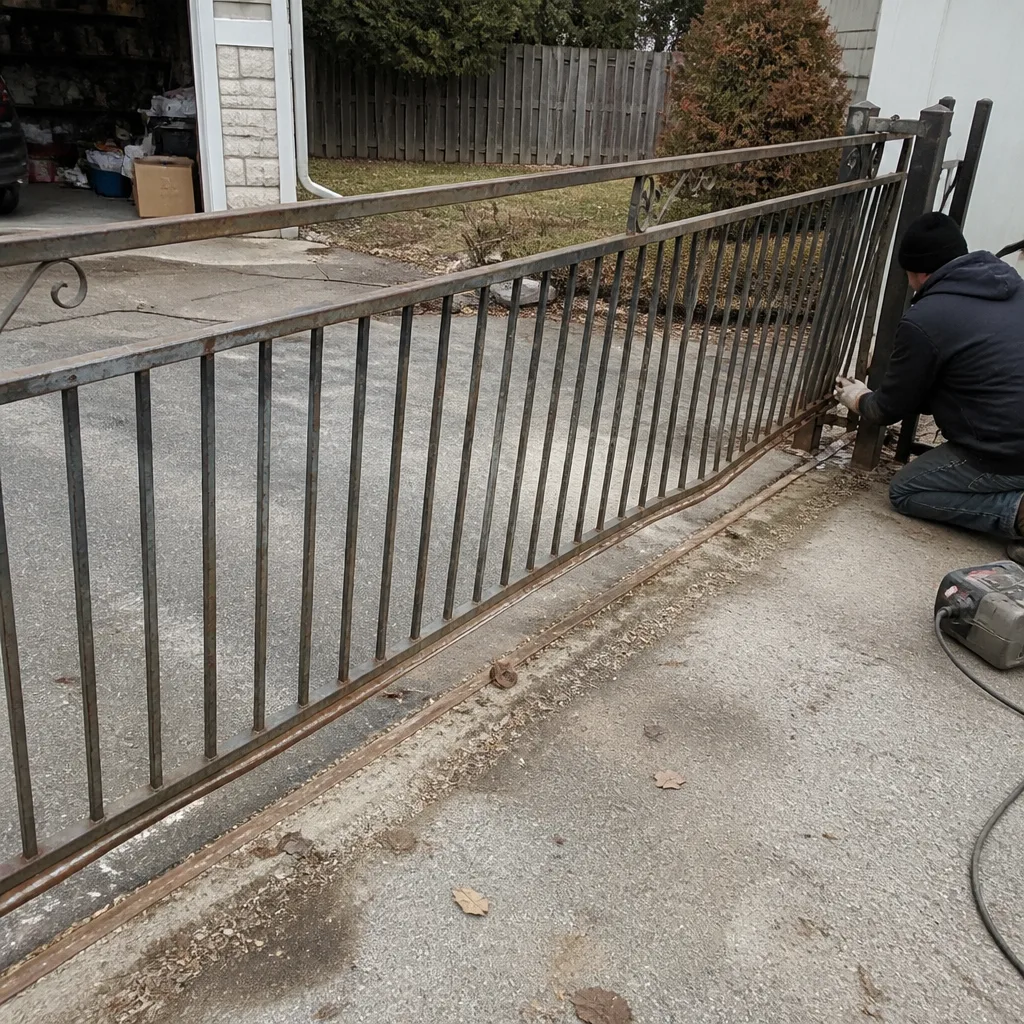 Before
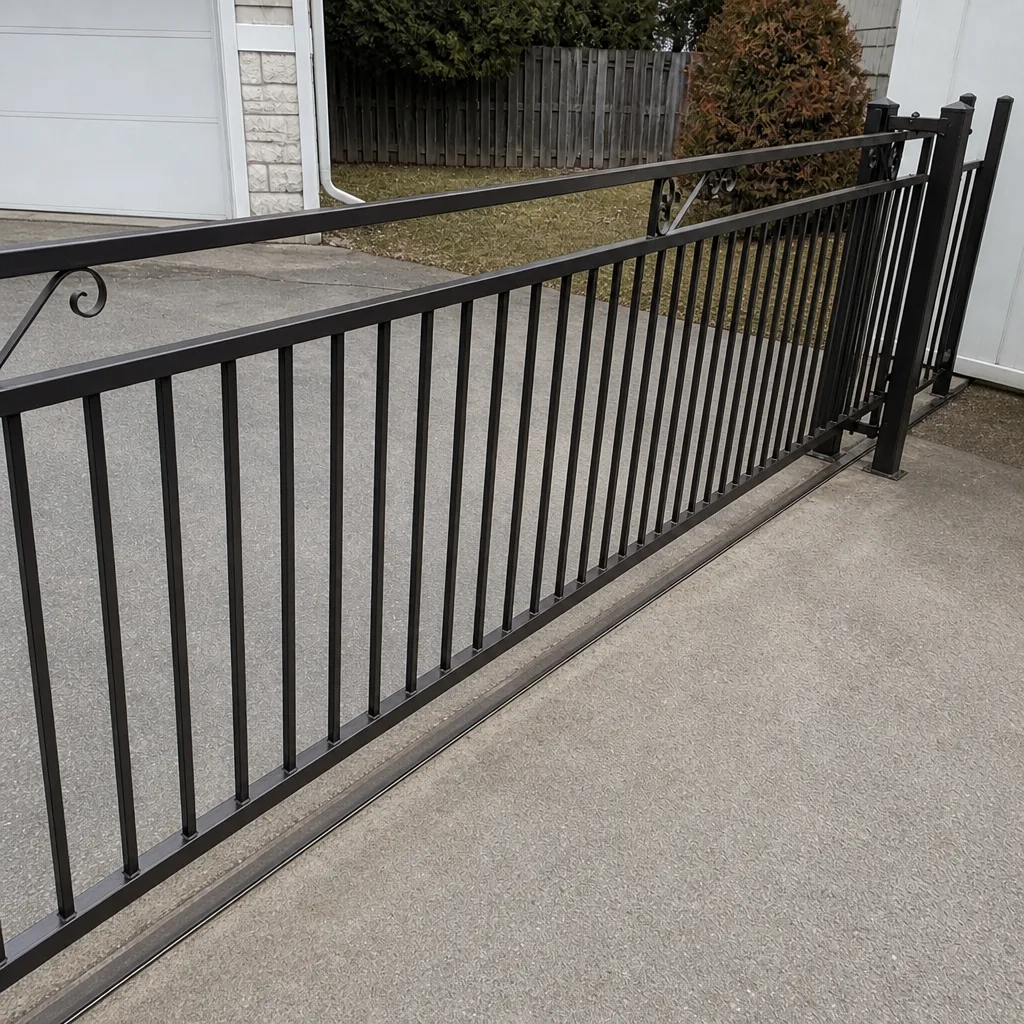 After
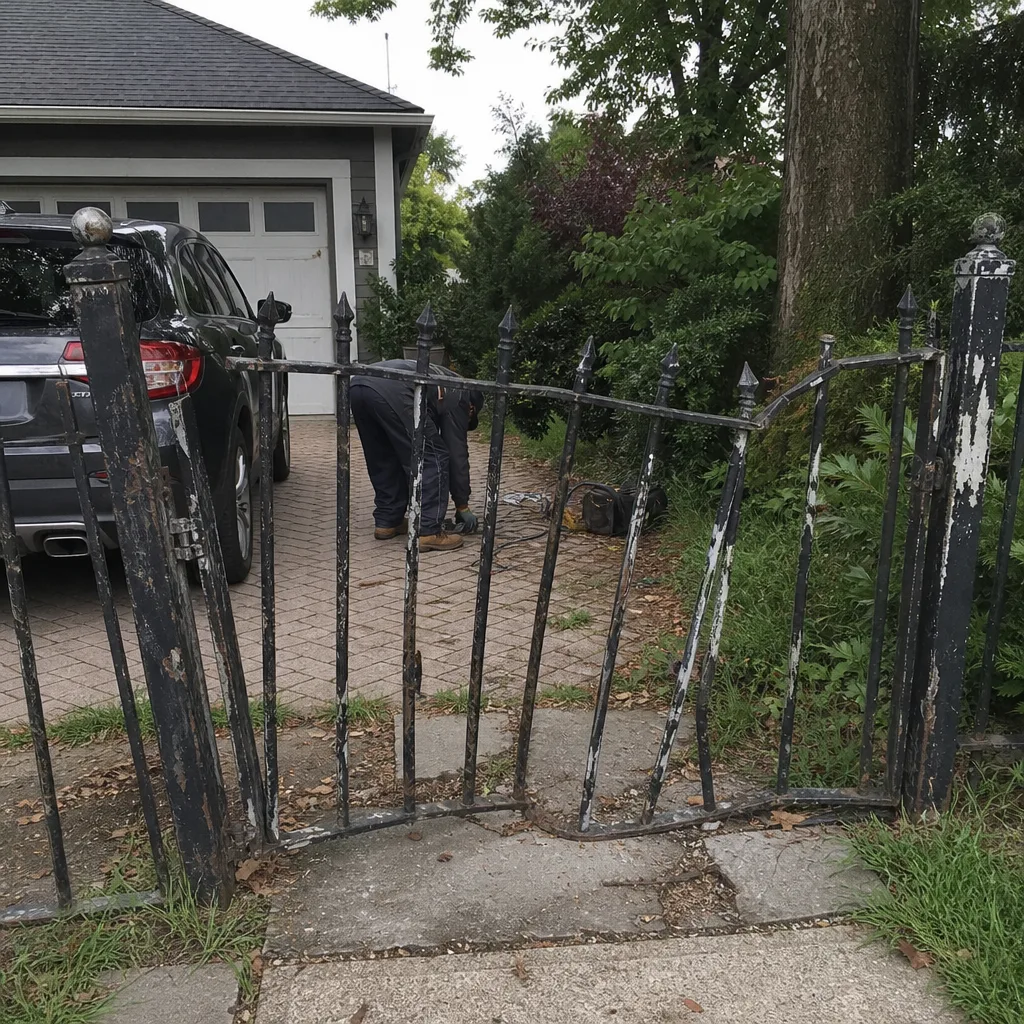 Before
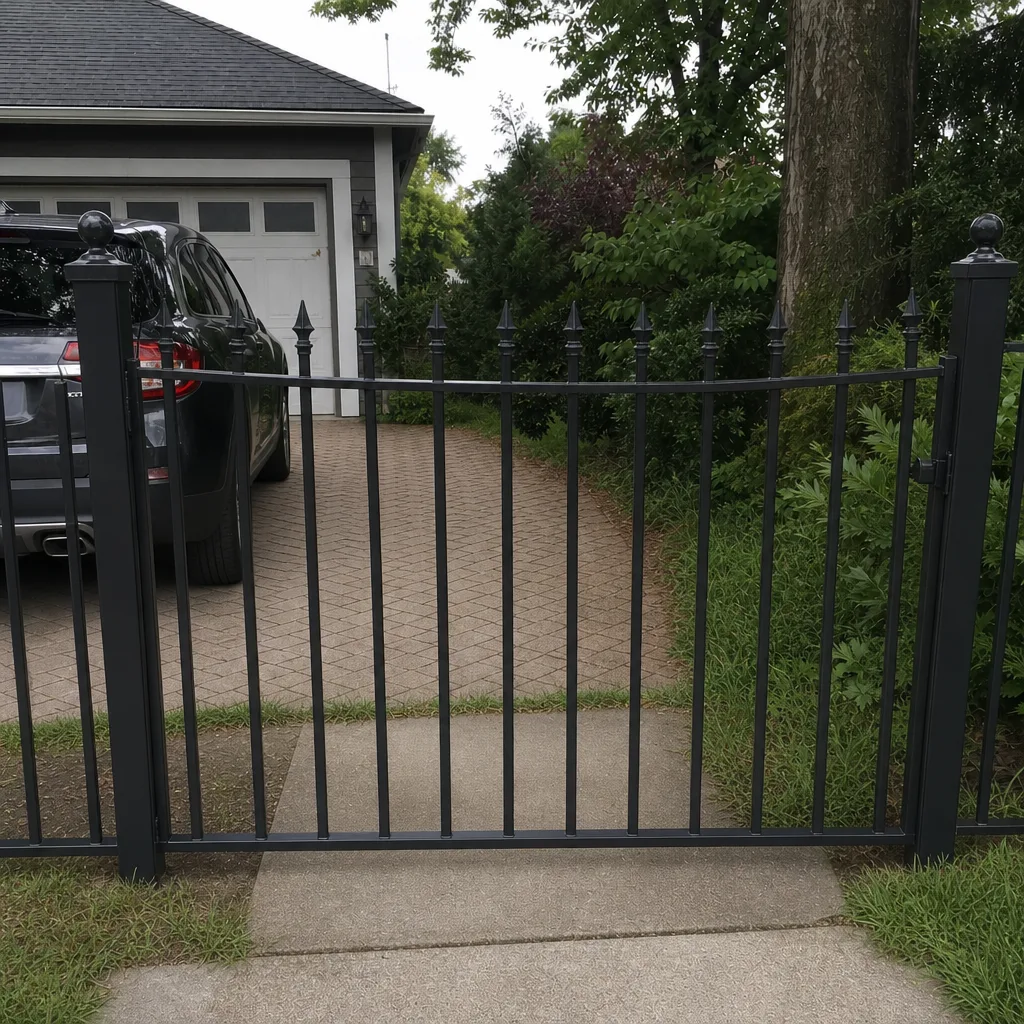 After
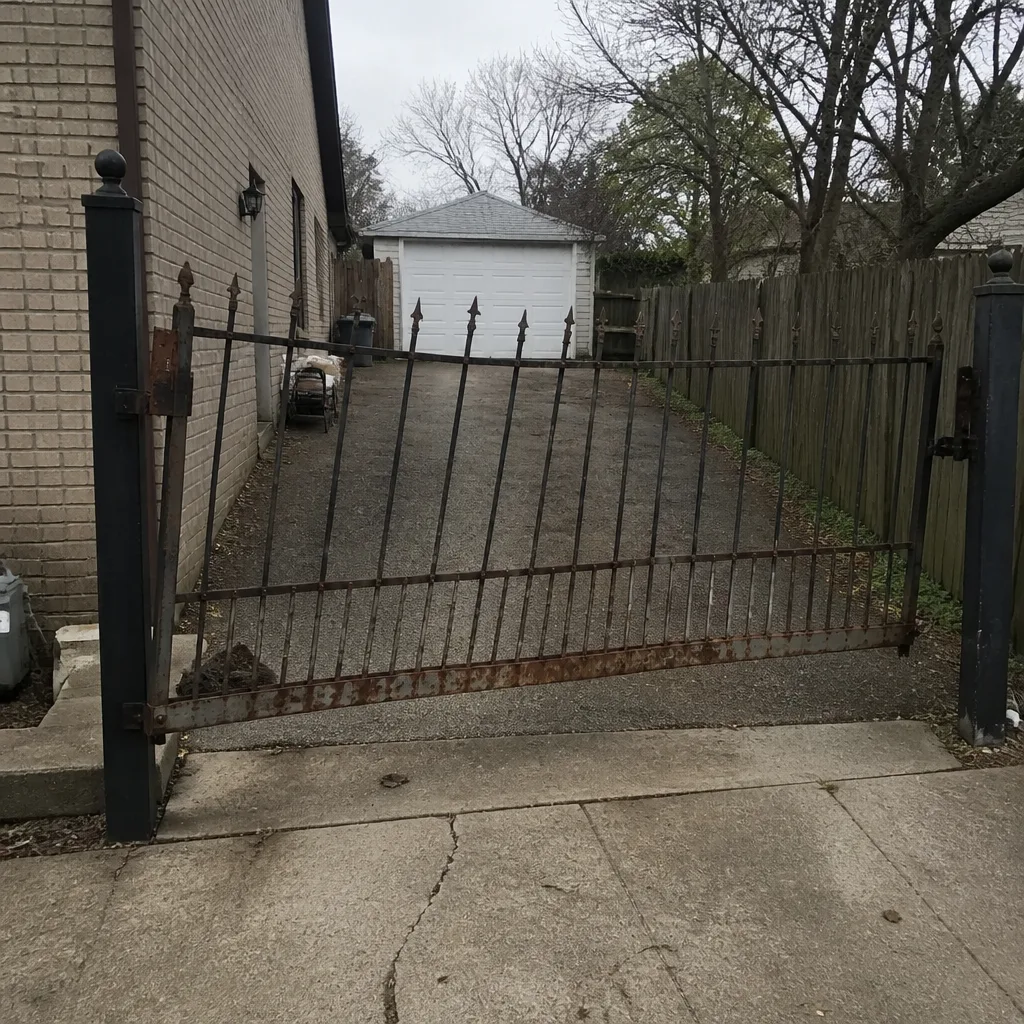 Before
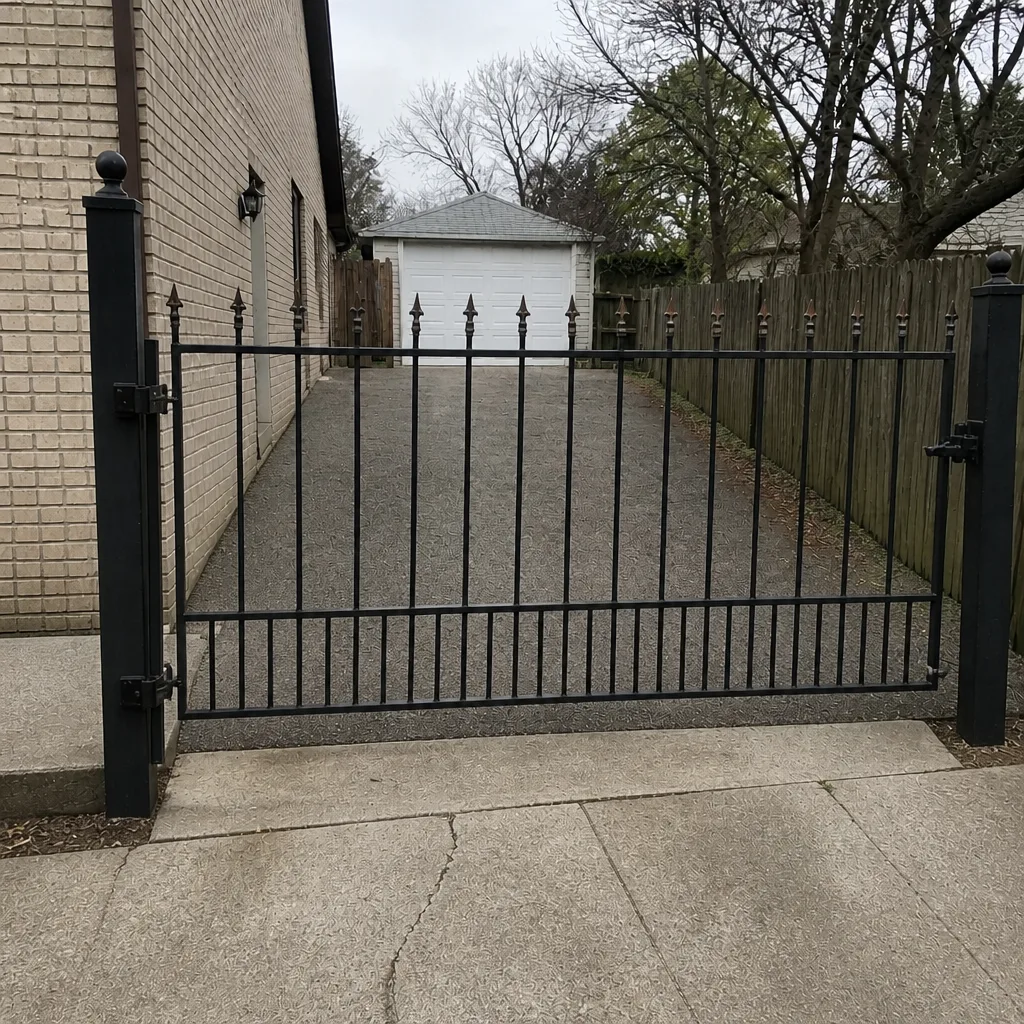 After
When to Call a Professional
Call a gate specialist when the diagnosis isn’t clear, when the symptom suggests electrical or control work inside the operator housing, when the gate is an automated system and won’t respond correctly to any input, or when the geometry has visibly shifted after a winter and the gate is binding or catching. Also call when the gate has multiple symptoms at once, when the safety devices aren’t functioning, or when you’re not sure whether the repair is an adjustment or something bigger. Gate Repair Naperville offers free estimates in Naperville. Call (888) 569-7811. We answer 24/7. Fast dispatch from 7am to 7pm, Sunday through Friday. Every price is quoted and agreed before any work begins.
Frequently Asked Questions
Gate repair in Naperville is priced per job by a written estimate after the diagnosis. An adjustment (limits reset, photocell realigned, hinge tightened) sits at the low end. A single-component repair (hinge, control board, receiver, safety edge) sits in the middle. An operator replacement or a gate system rebuild sits at the top. The written estimate sets the final price, and the failure mode is named before any number is quoted. Call (888) 569-7811 for an exact quote. Estimates are free.
A gate that reverses before closing is almost always a safety-device issue, not a motor problem. The most common cause is a misaligned photocell: one lens has drifted, one is dirty, or something is in the beam path. A safety edge that thinks it detects an obstruction produces the same symptom. A technician should be able to check the sensors first, confirm the failure mode, and correct it with an adjustment rather than a motor replacement. Call (888) 569-7811 to book a diagnosis.
We work on nine documented brands across the residential, mid-tier, and commercial ranges. Our Naperville customers most often call us for LiftMaster, FAAC, BFT, Linear, Viking, Ghost Controls, DoorKing, Elite, and Mighty Mule systems. Whether your gate is a Mighty Mule residential swing gate or a FAAC commercial operator, we know the system’s fault language. Call (888) 569-7811 for an estimate.
Many gate repairs are same-day when the failure mode is diagnosable and the needed part is available. Adjustments and common component repairs are often completed in a single visit. Rebuilds and operator replacements are measured and scheduled, since they require matching the right part to the gate’s weight, slope, and power setup. Call (888) 569-7811. We answer 24/7. Fast dispatch from 7am to 7pm, Sunday through Friday.
Freeze-thaw movement will keep working on Naperville gate posts every winter, but you can reduce the damage. Keep hinges and latches lubricated so winter binding doesn’t grind parts into failure. Clear the gate’s path of debris, ice, and snow so the operator doesn’t strain against an obstacle. Have the gate inspected after the spring thaw to catch post movement before it becomes structural. Call (888) 569-7811 for a diagnosis if your gate is binding or catching only in cold weather.
Someone should be on site to give the technician access to the gate, the operator, and any remotes or access controls. For homeowners, that usually means you. For HOA and property managers, it means a representative or a keyholder. The technician will run the gate through its full cycle and check the safety devices on site. Call (888) 569-7811 to schedule an estimate.
The Bottom Line
Most gate failures come down to four root causes: mechanical, electrical, environmental, or safety-device misalignment. Match your symptom to the failure-mode matrix before you authorize any repair. Confirm the brand, because the same symptom means different things across Linear, Viking, Ghost Controls, DoorKing, and the rest of the systems we work on. Watch for the freeze-thaw pattern, which reshapes Naperville driveways every winter and gets blamed on motors. And settle the adjustment-versus-repair-versus-rebuild question before a quote crosses categories. A written estimate that names the failure mode is your protection against paying for the wrong repair.
If your gate is misbehaving, doesn’t respond, or has been dragging since the weather turned, call (888) 569-7811 for a free estimate. We answer 24/7. Fast dispatch from 7am to 7pm, Sunday through Friday. Every price is quoted and agreed before any work begins.
Written by the team at Gate Repair Naperville.