
Last updated November 15, 2026
 Wrought iron
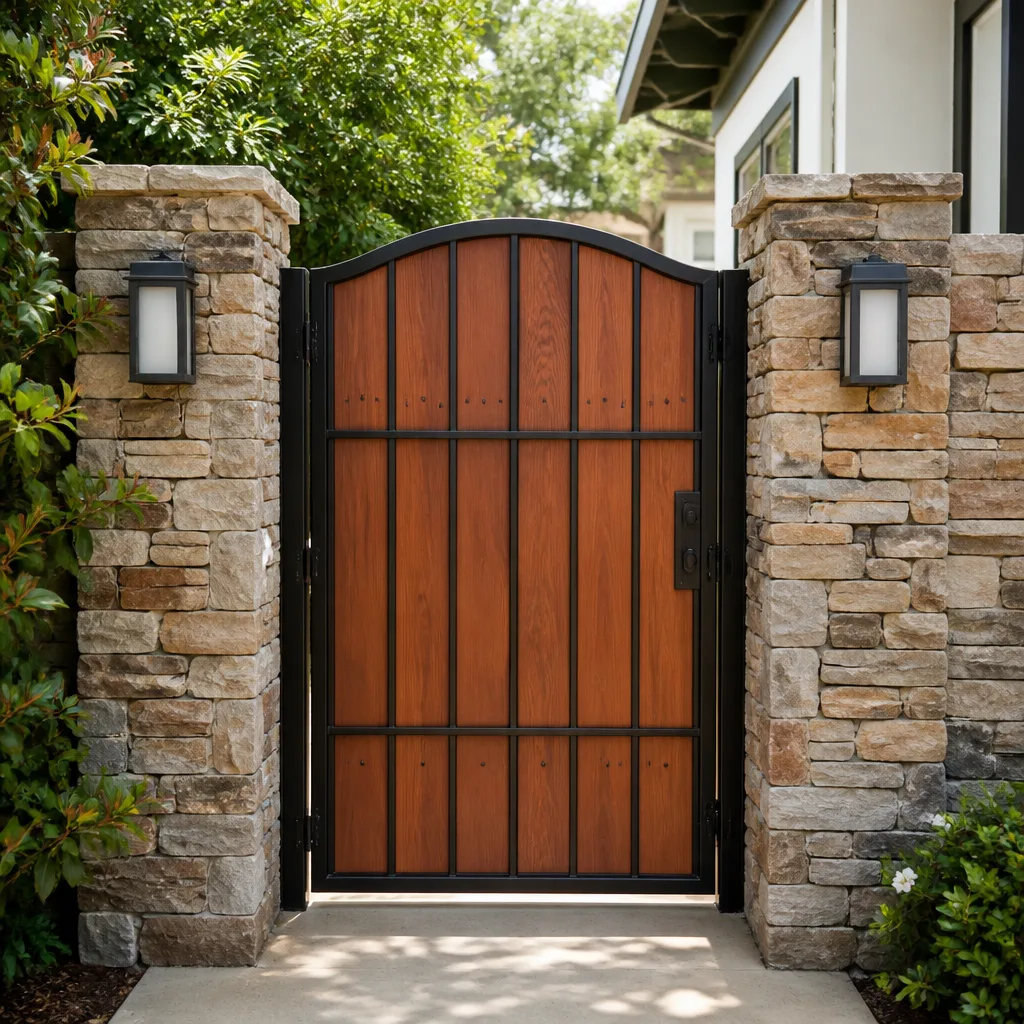 Wood & steel frame
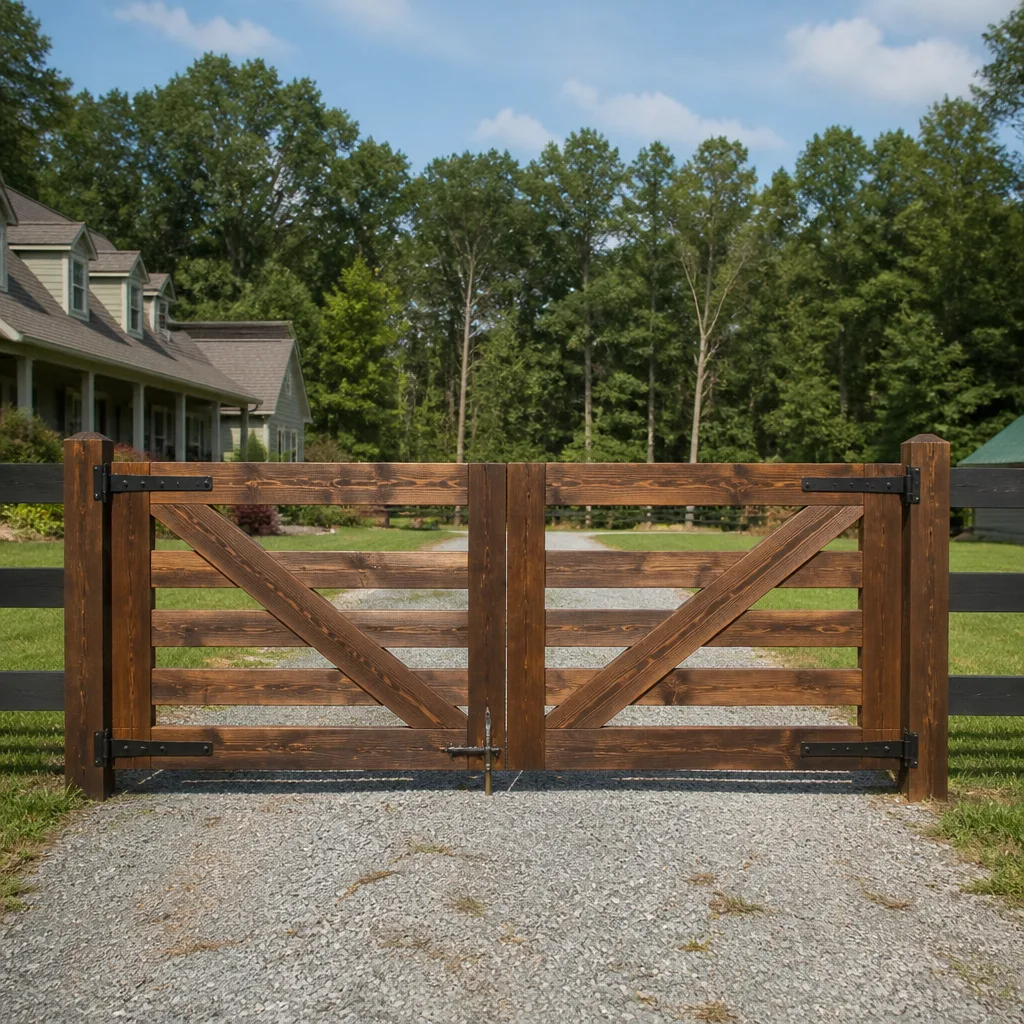 Farm & ranch
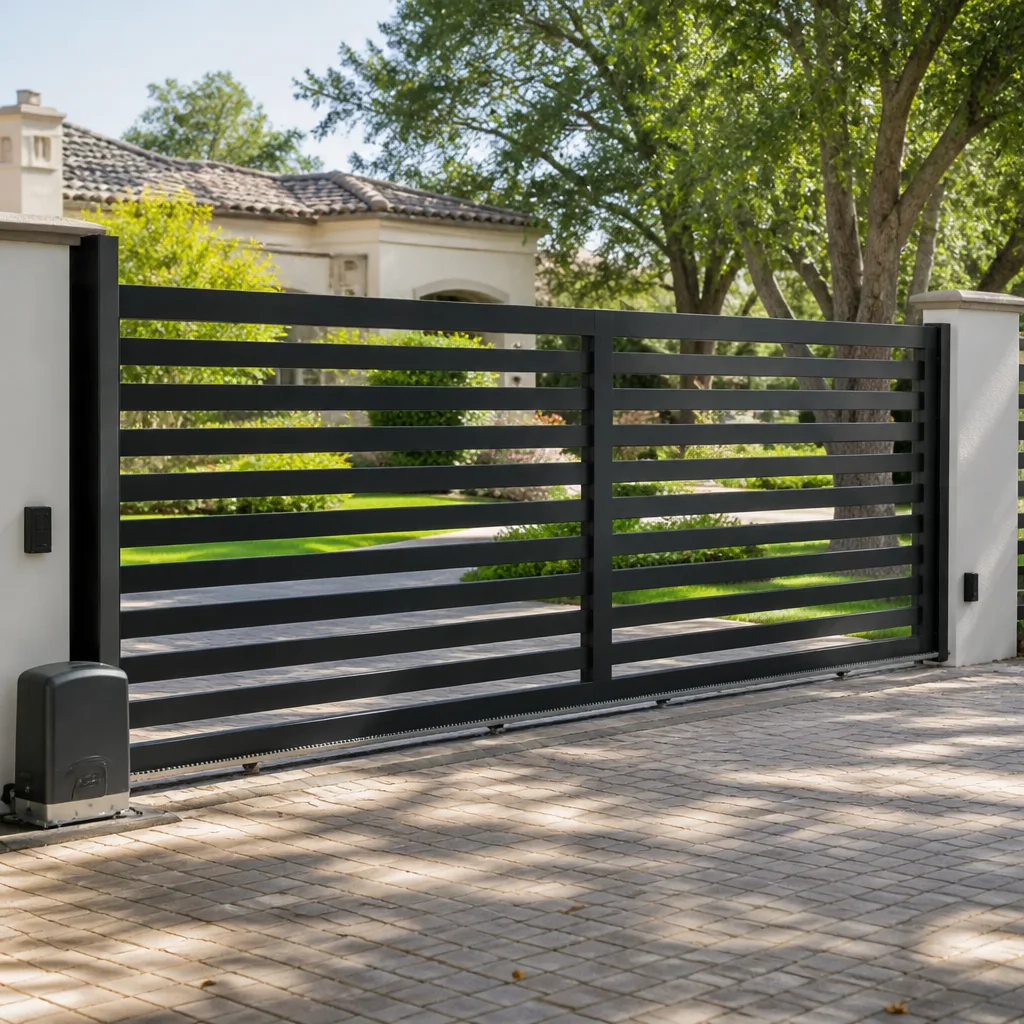 Sliding driveway gates
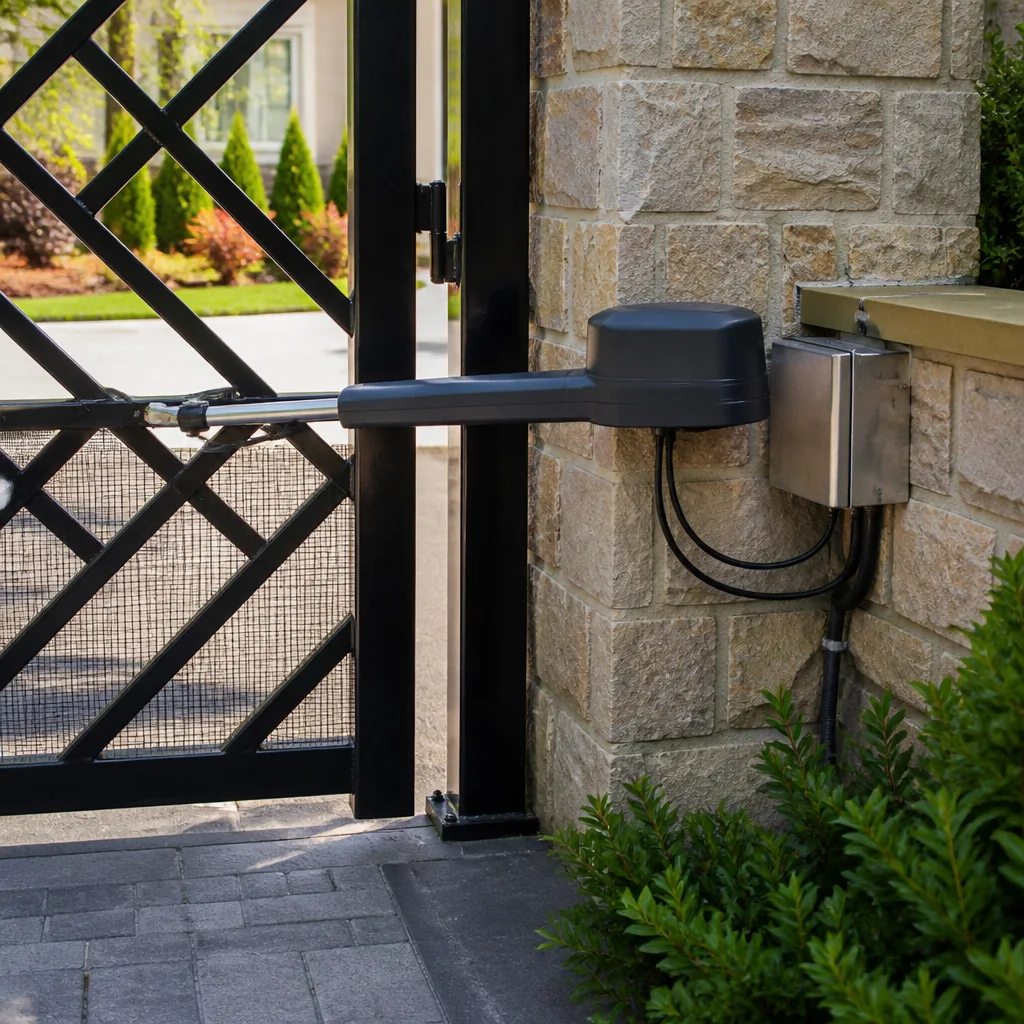 LiftMaster operators
Free on-site gate assessment - hinges, posts, and your LiftMaster or Nice gate operator checked before anything is quoted
The assessment is free and the quote is the invoice.
Get your free estimateGate Repair Emergency Preparedness Guide for Naperville Homes
Most gate failures don’t announce themselves. The gate runs fine for years, then one cold morning the operator clicks, the arm twitches, and nothing moves. The part that catches Naperville homeowners off guard is the manual release: every automated gate has one, it’s designed to let you open the gate by hand when the power or the motor quits, and almost nobody tests theirs. A release that hasn’t been operated in a few winters can seize from rust, grit, and lack of grease at the exact moment you need it. This guide covers the full emergency prep picture: testing your release before you need it, sizing battery backup, what to tell first responders when a gate blocks their access, safe temporary steps when a gate fails closed, and how to line up a specialist before something breaks.
Styles & brands we work with
- Wrought iron
- Wood & steel frame
- Farm & ranch
- Sliding driveway gates
- LiftMaster operators
Quick Answer
Emergency gate preparedness in Naperville comes down to three things done before a failure: know where your manual release is and exercise it a few times a year, confirm your operator has a working battery backup sized for a multi-hour outage, and post a written emergency contact plan near the gate and inside the house for fire and EMS. When a gate fails closed and blocks vehicle egress, the priority is getting the gate open safely and a technician booked the same day – not forcing the operator or prying at the track.
Table of Contents
- How to Find and Test Your Gate’s Manual Release
- Release Mechanisms on the Brands We See Most in Naperville
- Sizing Battery Backup for Naperville Outages
- What to Tell Emergency Services When a Gate Blocks Access
- Temporary Fixes When a Gate Fails Closed
- Building Your Emergency Contact Protocol
- The Annual Gate Safety Check
- Common Mistakes to Avoid
- When to Call a Professional
- Frequently Asked Questions
How to Find and Test Your Gate’s Manual Release
Every automatic gate operator sold for a residential driveway has a manual release. On a swing gate it’s usually a keyed release lever or a pull cord on top of the operator arm, or a “manual release” key slot on the housing. On a slide gate it’s a clutch lever or a release pin near the motor. Your first job is to find it while the gate is working, not during a blackout. Once you’ve found it, here’s the routine we recommend for Naperville homes:
- Open the gate to about halfway with the operator running.
- Disengage the manual release exactly as the owner’s manual describes, then push the gate open and closed by hand. It should swing or slide with steady resistance, no binding, no grinding.
- Re-engage the release and run the operator through a full cycle to confirm it re-latches.
- Repeat this three or four times a year, and always after a stretch of hard freezes or heavy rain.
What you’re testing is the release mechanism itself, not the operator. A release that sticks tells you the grease has dried or the linkage has rusted, and both are simple fixes when you catch them early. If the release won’t budge, don’t force it with a wrench. A seized release can snap a shear pin or crack the release housing, and then you’ve turned a maintenance item into a gate repair with parts on order.
One safety note that matters: on a slide gate, never stand between the gate and the post while you’re testing. A gate that rolls free on a seized release can move farther than you expect, and crush points at the leading edge are real. On swing gates, stay clear of the hinge side. We’ve seen these injury risks before, and they’re avoidable with a little positioning.
Release Mechanisms on the Brands We See Most in Naperville
Release design varies by brand, and knowing yours speeds up a diagnosis and helps you test it correctly. We work on Elite, Mighty Mule, LiftMaster, and FAAC systems specifically, and each has a characteristic manual release:
- LiftMaster swing and slide operators typically use a keyed release or a pull handle on the arm. The keyed models are the ones homeowners most often lose the key for; keep the release key on the same ring as your house keys.
- Mighty Mule residential swing operators use a release pin or pin-and-clip setup on the arm. These are simple, but the pin can corrode in a wet winter and freeze in place if nobody exercises it.
- Elite residential operators often use a lever-style release with a lock cylinder. The lever arm collects grit, so a quick pass with the release a few times a season keeps it free.
- FAAC operators, including the models property managers run on shared entrances, commonly use a keyed manual release on the housing. On community gates, the key belongs with the property manager and a backup should be in a lockbox.
If you’re not sure which operator you have, the nameplate is on the housing or under the cover. Write the model down and keep it with your gate documents. That one line of information saves time on every future call, because a technician can bring the right release parts and know the sequence before arriving. It also tells us whether your gate is an entry-level residential system or a light-commercial setup, which changes what’s involved in the repair.
The point of learning the brand is practical: if your gate fails closed, you can tell whoever answers the phone that you have a LiftMaster swing operator with a seized keyed release and the gate is stuck open across the driveway. That’s a completely different call than “my gate is broken.” Detailed symptom information gets the right technician routed the first time.
Sizing Battery Backup for Naperville Outages
Illinois weather delivers its share of outages, from summer storm lines to ice loading on tree limbs in winter. Storm-related outages in this part of the state can run from a brief flicker to a day or two depending on the damage, and the pattern is unpredictable enough that sizing backup for the longest likely outage makes sense. If your gate is the only vehicle egress from the property, an operator without backup is an access bottleneck waiting for the grid to fail.
How to think about sizing:
- Count the cycles you actually need. A typical residential day is a handful of open/close cycles. Two adults leaving in the morning, one or two returns, and a school pickup is easily eight to twelve cycles a day.
- Add a margin. During an outage you also want to open for a delivery, a neighbor, or an emergency vehicle. Sizing for a day of normal use plus a buffer covers most scenarios.
- Check the operator’s spec for standby time. Most residential operators publish a cycle count for their backup battery. Match it to your household’s daily pattern rather than taking the box’s number at face value.
- Keep the battery healthy. Lead-acid backup batteries age out. A battery that tests fine in summer can fail in a cold snap, so test it before winter.
The decision between a plug-in battery backup and a solar-charged version comes down to where your operator is and how the wiring is set up. A solar option makes sense where running power to a battery charger is awkward; a plug-in backup is simpler where there’s already an outlet near the operator. What matters more than the type is that you know how many cycles you can get from your setup, so you can plan around it.
We hear from Naperville homeowners who didn’t know their operator was supposed to have a battery at all. A backup battery is often an optional add-on. If your system was installed without one, adding it is one of the more useful upgrades for a gate that controls the only way in and out.
What to Tell Emergency Services When a Gate Blocks Access
If your gate fails closed and someone in the house needs an ambulance or fire response, the first thing the dispatcher needs to hear is that the gate is in the way and how to get past it. First responders know gates – they encounter them on properties everywhere – but they don’t know yours. That’s your job to provide, and the way to provide it is in writing, in advance, posted where anyone can find it.
A simple gate access plan on one page should include:
- The property address, and the location of the gate relative to the street (which side, what it opens to).
- Whether the gate is a swing or slide, and its approximate width, so responders know what equipment fits.
- The manual release location, with a photo of it, and where the release key is kept.
- Any secondary pedestrian gate or side entrance, and whether it’s unlocked.
- The gate company’s name and phone number, so responders can reach someone for remote guidance.
- Who to contact on the property, with a cell number.
Put one copy in the same place as your alarm code or your utility shutoff instructions, and a second copy in a lockbox near the gate. Give a third to any neighbor who might call on your behalf. If your gate is shared, as on a small HOA entrance, the property manager should own this document and make sure the gate company’s number is current. A one-page plan you can hand over is worth more than a dozen “I’ll figure it out” moments.
If an emergency is happening right now and the gate won’t open, call 911 first and tell them the gate is closed and blocking the driveway, and that you can open it manually. Then disengage the release if you can do so safely. If the release is seized, tell the dispatcher that too, so they can adjust their approach.
Temporary Fixes When a Gate Fails Closed
A gate that fails closed outside of dispatch hours is a problem you’ll probably manage on your own for a few hours. Some things are safe to try, and some are a fast route to a bigger repair bill, so here’s the split.
Safe to attempt:
- Use the manual release as designed. If it works, open the gate and leave it open with the operator in manual mode until a technician can look at it.
- Run through the obvious checks: the breaker for the gate’s circuit, the operator’s power indicator, the safety edges for obstructions, and whether the remote battery is dead.
- Clear any visible obstruction from the track, hinge, or leading edge – with the power off and the gate secured.
- If your gate has a keypad or intercom that’s stopped working, note the symptom for the call.
Not safe to attempt:
- Forcing the release with a wrench, prying at the arm, or cutting into the operator housing. You can bend the arm or damage the gears.
- Bypassing the safety edges or the control board with jumpers. Besides being unsafe, it often voids the operator’s coverage.
- Climbing the gate or lifting it off its track to get a vehicle through. Gates weigh hundreds of pounds and the risk of crushing is real.
- Running the operator repeatedly while it’s jammed. Each cycle pushes more current through the motor and the control board.
The general principle is this: the manual release is the only user-serviceable override on an automatic gate. Anything past that belongs to a technician who knows the operator. If you can get the gate open manually, leave it open and get it on the schedule. If you can’t, don’t keep pushing buttons. Call (888) 569-7811. We answer 24/7. Fast dispatch from 7am to 7pm, Sunday through Friday.
Building Your Emergency Contact Protocol
The time to find a 24/7 gate repair specialist in Naperville is not when the gate is jammed and the car is trapped in the driveway. Take ten minutes now, before you need it, and put together an emergency contact protocol that covers who to call, what to say, and what you’ll do in the first fifteen minutes.
- Save a gate specialist in your phone. Not a general fence company, not a handyman – a company that specializes in automated gates, because the operator and the access control are where failures happen. Save the number under something you’ll find: “Gate Repair” works.
- Write down your operator details. Brand, model, approximate install year, and whether it has battery backup. Keep it on the fridge or taped inside the operator housing.
- Know your manual release. Already covered above, but it belongs in this protocol.
- Note your symptom patterns. A gate that hesitates at a certain point, opens fine but won’t close, or reverses halfway is showing you where the fault is. Write it down before you call.
- Know what the operator’s display is showing. Many control boards show error codes. Take a photo when there’s a fault; it speeds up the diagnosis.
- Decide your fallback plan. If the gate stays closed until the technician arrives, where can a car park? Who do you call if you need to get out? A neighbor’s driveway and a phone number covers it.
For property managers on an HOA entrance, the protocol also needs a designated person who carries the release key and the backup key. Shared gates fail on the worst day for the most people, and a management company without a key to its own gate is a hard problem to solve at an inconvenient hour.
We’ve helped homeowners set up this kind of protocol after a failure, and the response is usually the same: “I wish I’d done this earlier.” You’re building the scaffolding for a fast call, nothing more. The repair still happens when it happens.
The Annual Gate Safety Check
A gate that’s already been through one winter of grit and one summer of heat needs a look, and the annual check is where problems surface before they become emergencies. This is a professional assessment, not a DIY project, and it’s worth doing on any automatic gate, whether it’s an Elite system on a residential driveway or a light-commercial operator on a shared entrance.
A thorough safety check covers:
- Manual release operation, greased and confirmed.
- Obstruction sensing on the safety edges and the operator’s built-in reversal.
- Battery backup test and load check.
- Control board diagnostics for error codes.
- Hinges, rollers, track, and the mounting of the operator arm.
- The access control: keypad, remotes, intercom, and any loop or vehicle sensor.
For Naperville gates that sit in the open, weather is the main driver of wear. Freeze-thaw cycles widen minor gaps, and wet springs rust pins and hinges. An annual check in the fall catches most of that before the winter, and it’s also when a technician can tell you whether your operator is a candidate for a battery upgrade. If the gate is beyond a tune-up, the same visit can quote an operator swap or a new install, so you’re not chasing separate contractors for diagnosis and replacement.
Schedule it around the seasons that challenge your gate. A fall check suits most Naperville properties; a spring check helps if your gate is upwind of mature trees that drop debris into the track. What matters is that it happens, and that the gate gets exercised – manual release and all – in the process.
Common Mistakes to Avoid
- Never testing the manual release. The most common failure mode. A release that’s never been operated is the one most likely to seize, and it will pick the worst possible moment.
- Assuming the battery backup is installed. Many residential systems are sold without one. If you’ve never seen the battery and never tested it, treat the gate as having no backup until you’ve confirmed it.
- Waiting for the gate to fail before calling anyone. A gate that’s hesitating, reversing, or making a new noise is telling you something now. The same repair is cheaper and simpler when it’s not an emergency.
- Calling a general fence company. The fence and the operator are different systems. A company that installs fences often doesn’t diagnose control boards, and a gate specialist that knows the operator gets to the fault faster.
- Not keeping the release key accessible. The key on the keyring in the house is useless when the gate fails and you’re on the driveway. Keep a copy with your car keys and one in the lockbox.
- Forcing the gate open when the release is seized. A little force can bend the arm, break a shear pin, or crack a housing. That’s the difference between a release repair and a full operator replacement.
- Skipping the written emergency access plan. First responders don’t know your gate. A one-page plan tells them how to get through when it matters.
When to Call a Professional
Call a professional when the manual release won’t operate, is seized, or won’t re-engage after being disengaged. Call when the gate fails closed or fails open and blocks access, when the operator shows an error code, or when the safety edges don’t reverse the gate. Call if the gate reverses at random, moves erratically, or makes grinding sounds from the motor or the track. Call when the remotes or keypad stop responding and the basic battery swap doesn’t fix it, and call when your annual check turns up anything you’re unsure about.
If you’re in Naperville and you’re not sure whether a symptom needs a repair visit, call us and describe it. Our technicians have up to 8 years of experience, and we can diagnose the mechanical and the electrical side in a single visit, so the fault gets found the first time. Gate Repair Naperville offers free estimates in Naperville – call (888) 569-7811. We answer 24/7. Fast dispatch from 7am to 7pm, Sunday through Friday.
Frequently Asked Questions
We set gate repair prices per job by a written estimate, so the range depends on the failure, the operator brand, and the parts needed. You get a free estimate first, a written price, and your approval before any work starts. Call (888) 569-7811 for an exact quote – estimates are free.
Same-day repair is often possible for gate failures, and it’s what we aim for when you call during dispatch hours. Call (888) 569-7811. We answer 24/7. Fast dispatch from 7am to 7pm, Sunday through Friday. A call outside dispatch hours is booked into the next opening.
Don’t force the operator or the gate. Check the housing on top of the operator arm and the keyed slot on the control housing; if you can’t find the release, call us and describe what you have. If there’s an emergency on the property, call 911 first and tell them the gate is closed.
Yes. We work on Mighty Mule, Elite, LiftMaster, FAAC, BFT, Linear, Viking, Ghost Controls, and DoorKing systems specifically. Whether you have a residential Mighty Mule swing operator or a FAAC commercial gate, we diagnose the failure and repair it in one visit where possible.
Look at the operator housing for a backup battery compartment or a battery cable, and check the owner’s manual for a standby spec. If your gate was installed without one, adding it is a straightforward upgrade. If your gate is the only vehicle egress, a backup battery covers the outage that would otherwise leave you stuck.
Yes, if the gate is the property’s only vehicle entrance. That’s why a written access plan matters: it tells fire and EMS where the gate is, how to open it manually, and who to call. Keep the plan near your alarm instructions and a copy in a lockbox or with a neighbor.
If you’re not sure whether your gate needs electric gate repair, testing the manual release and the backup battery is your fastest answer. A gate that runs, releases, and holds a backup is in good shape. One that hesitates, reverses, or has a seized release needs a technician. Explore more about Gate Repair Naperville to see the full scope of what we handle before you need it.
The Bottom Line
Gate emergencies are almost always preventable with three habits: exercise your manual release a few times a year, confirm and test your battery backup, and write down your emergency access plan before the gate fails. Keep your operator details and the specialist’s number where you’ll find them, and don’t force a seized release or bypass a safety edge. If a gate in Naperville fails closed on your property, call (888) 569-7811 for a free estimate. We answer 24/7. Fast dispatch from 7am to 7pm, Sunday through Friday. Our technicians diagnose mechanical and electrical faults in one visit, on nine major gate brands from residential to commercial.
Written by the team at Gate Repair Naperville.
See the difference
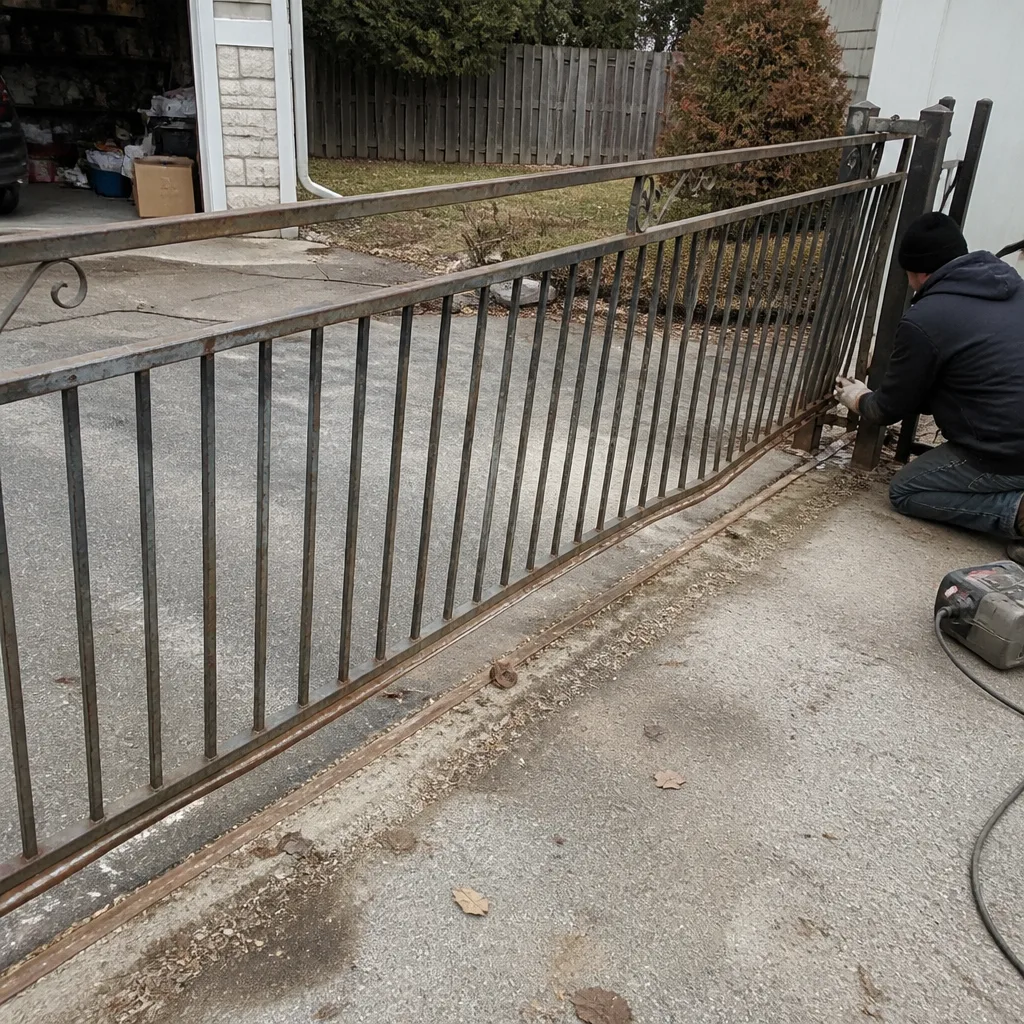 Before
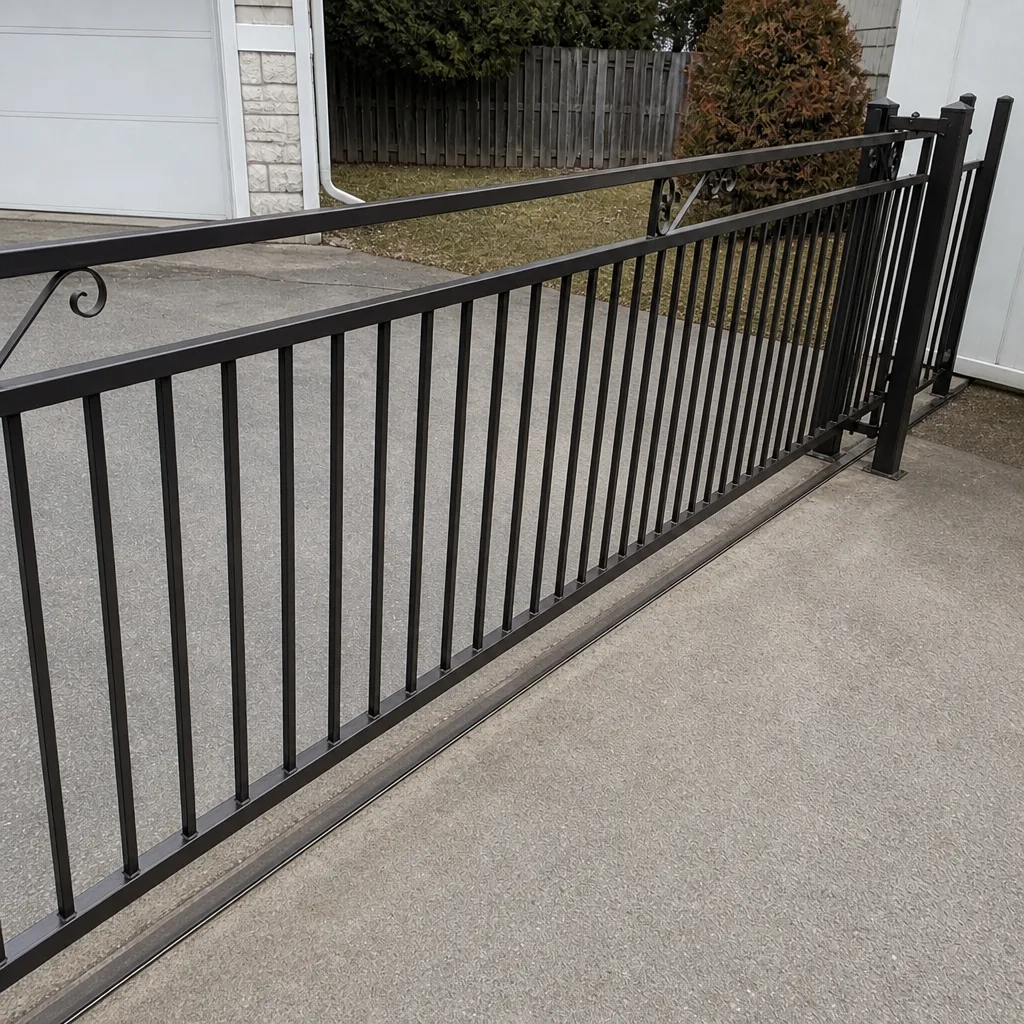 After
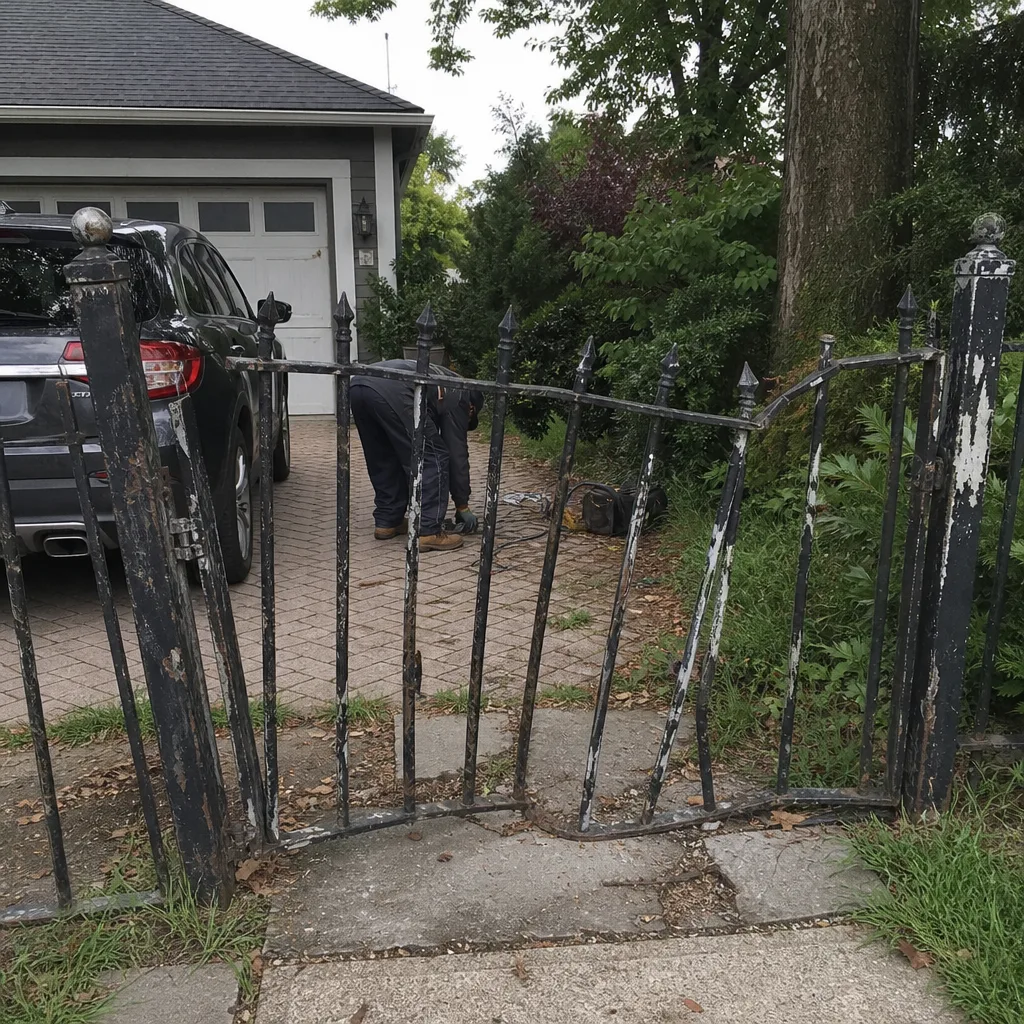 Before
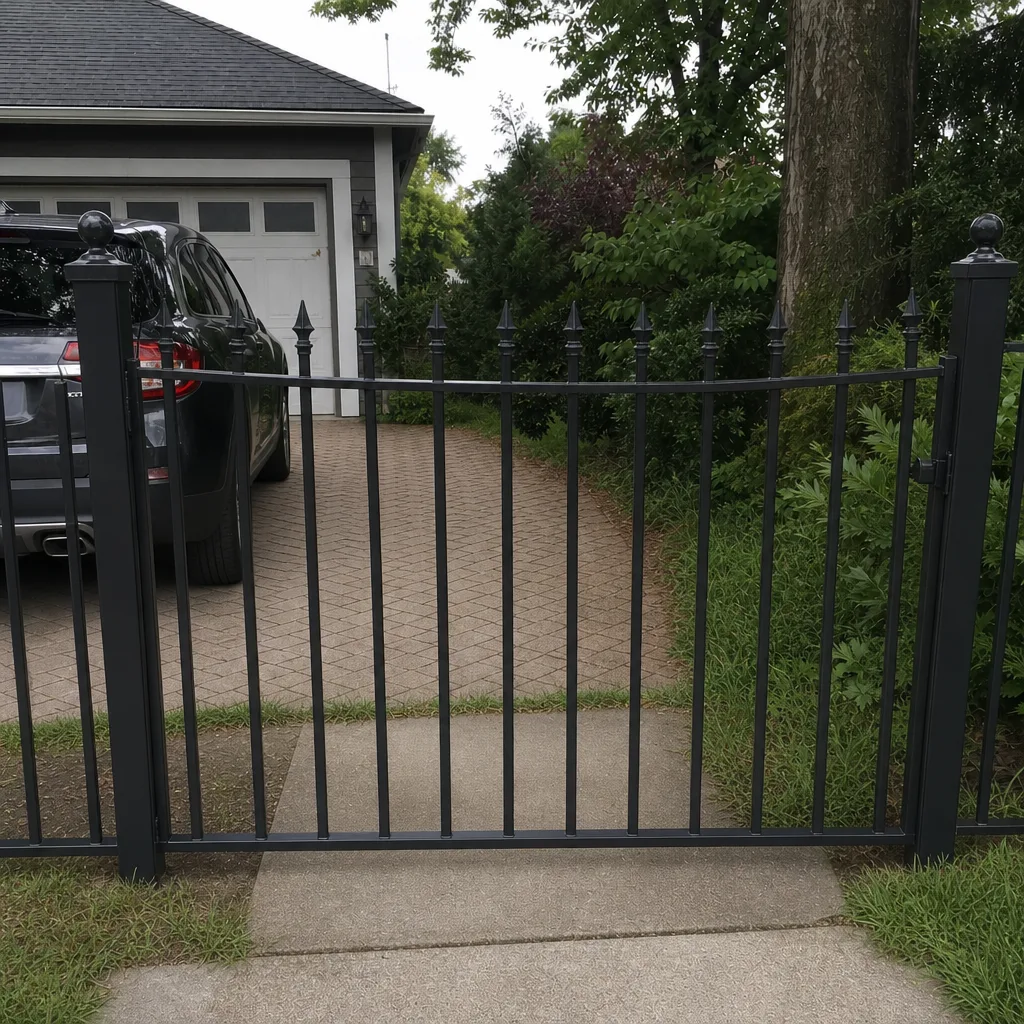 After
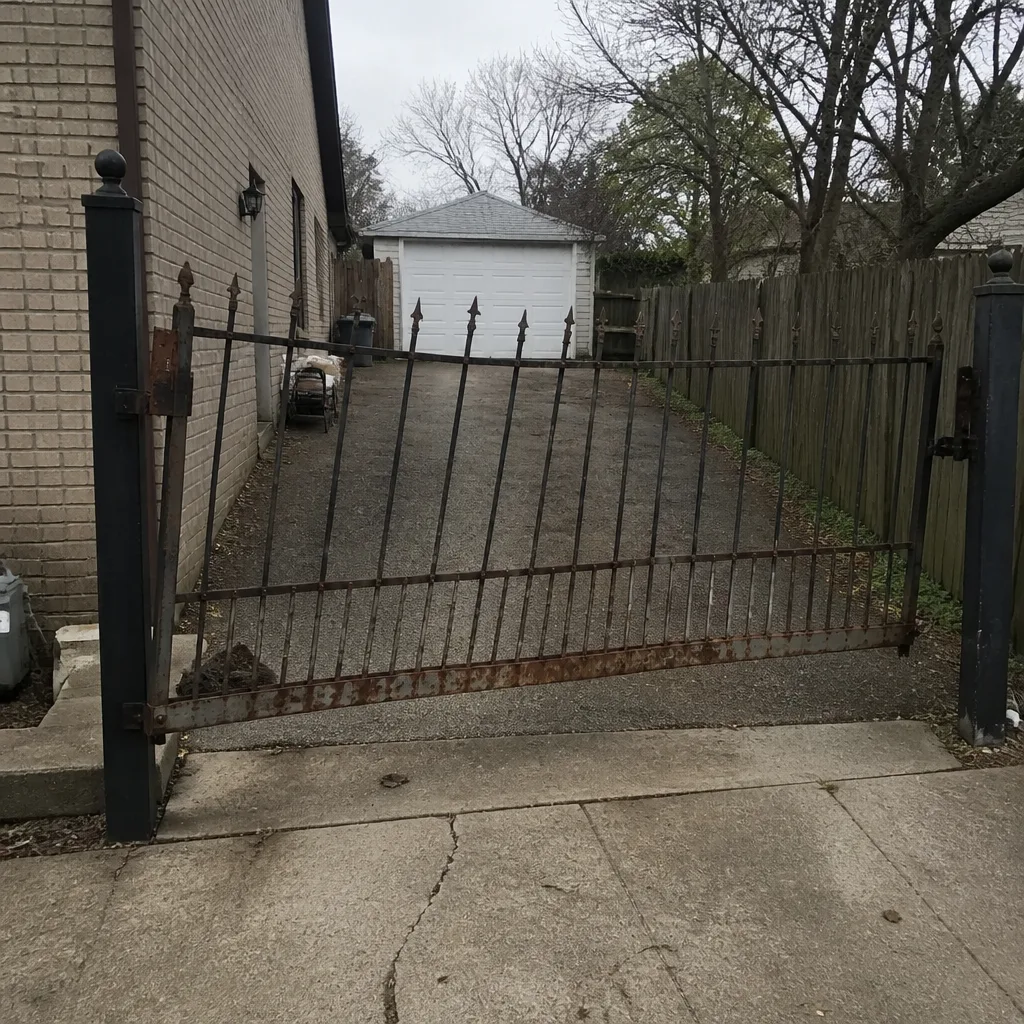 Before
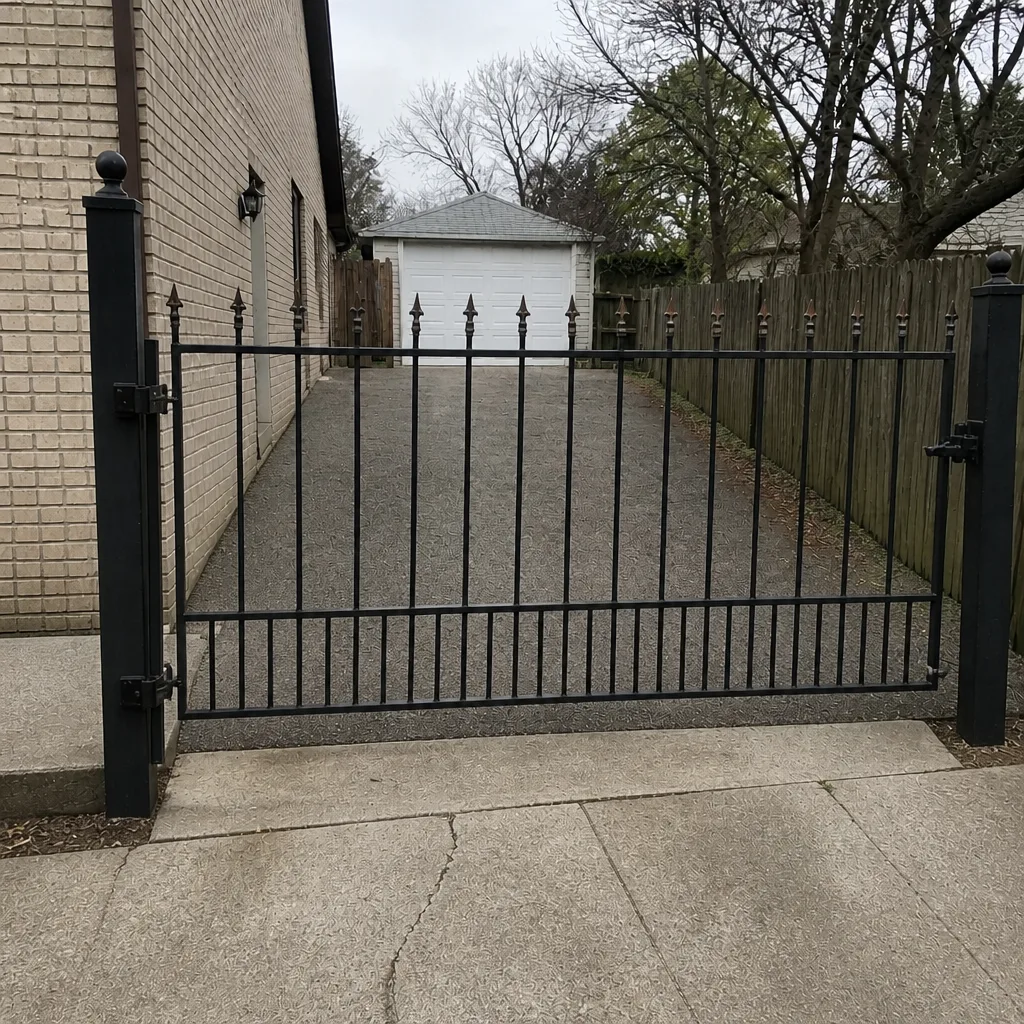 After