
Last updated November 15, 2026
 Wrought iron
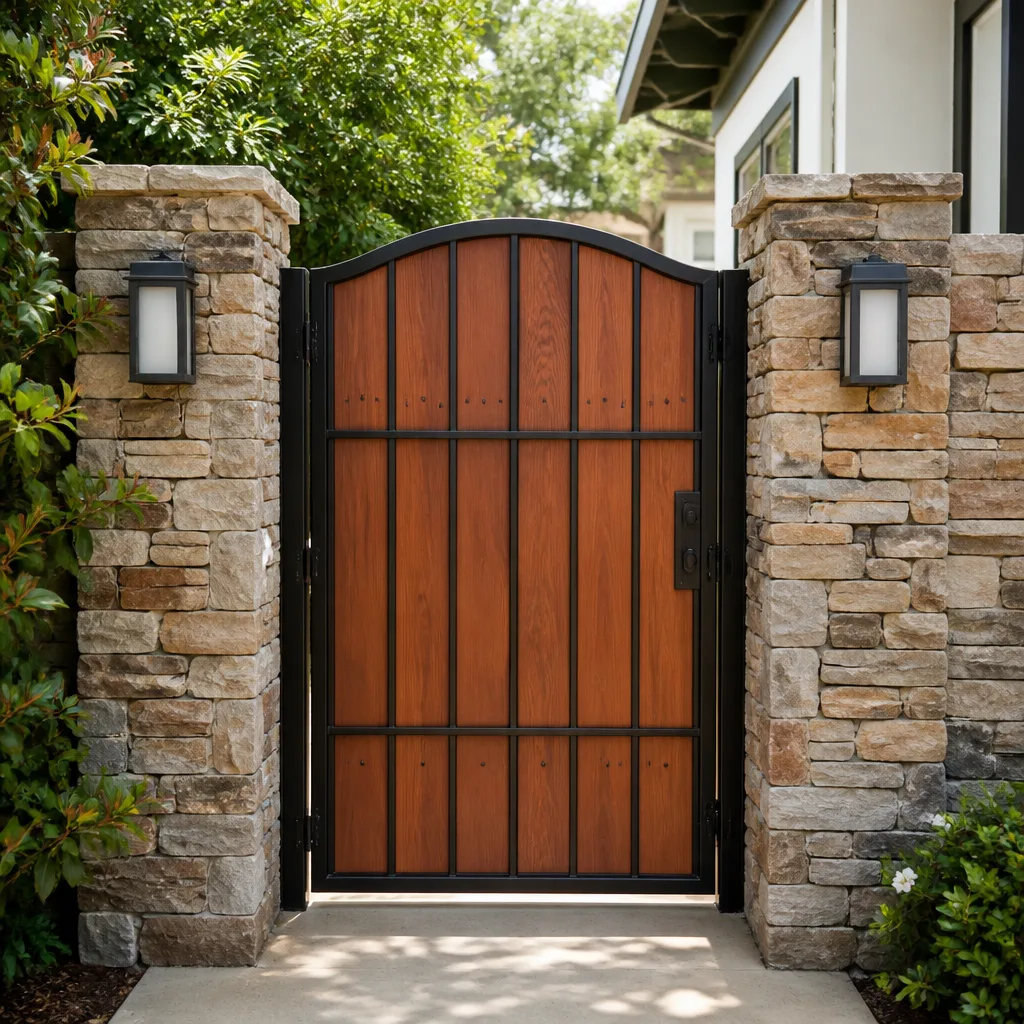 Wood & steel frame
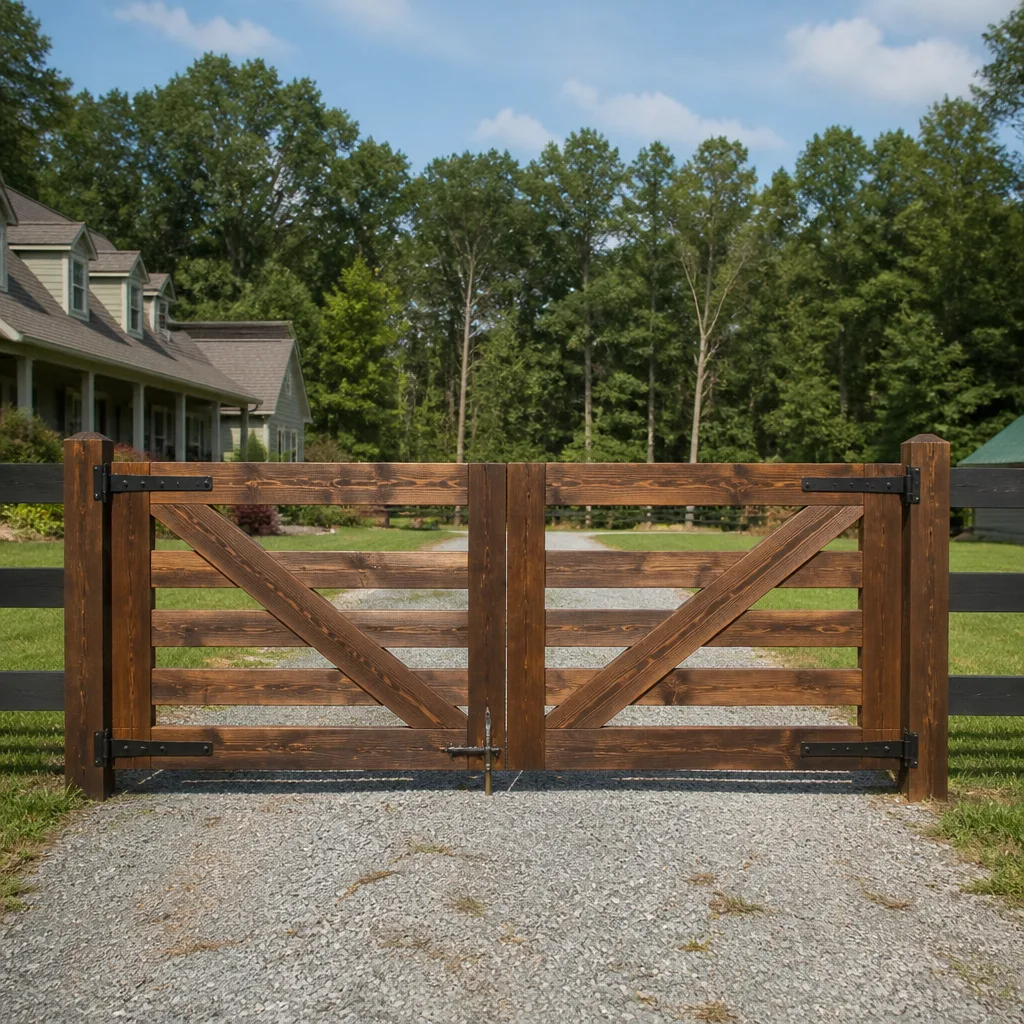 Farm & ranch
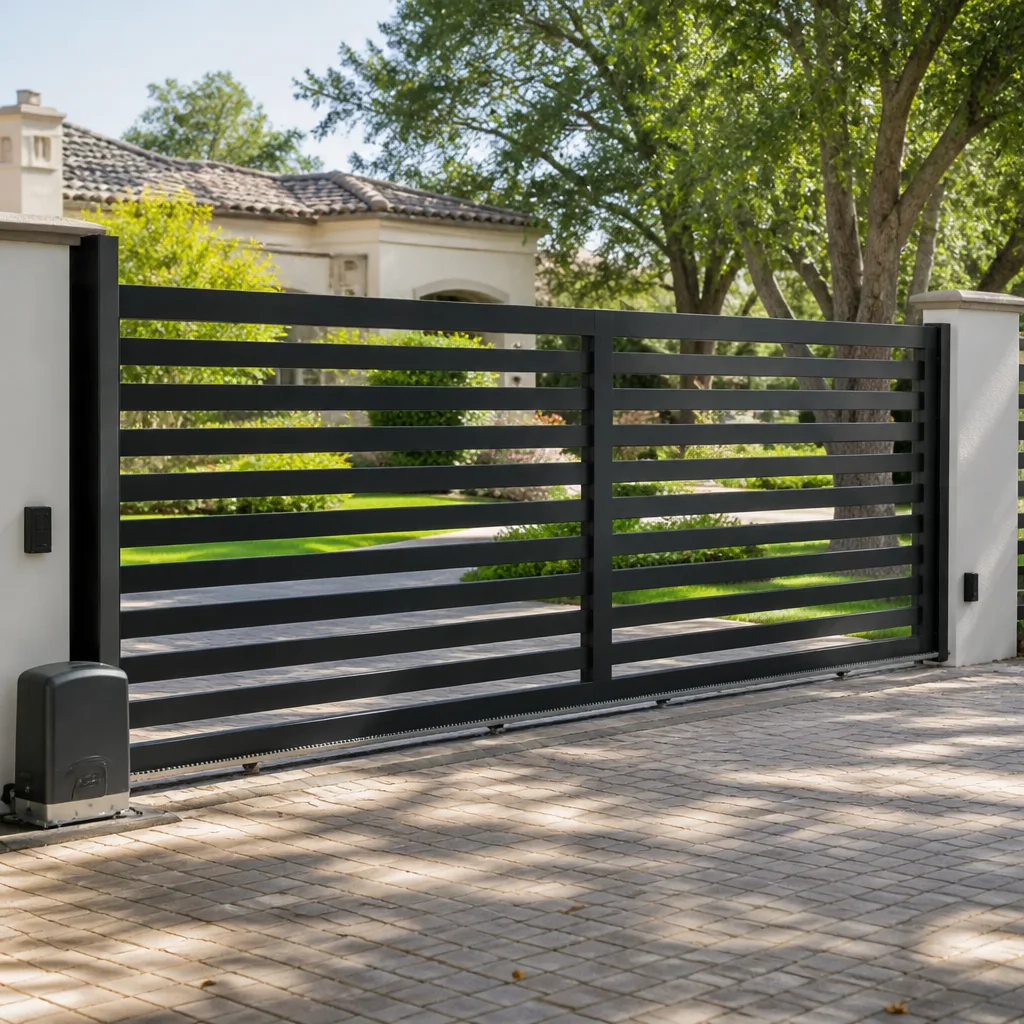 Sliding driveway gates
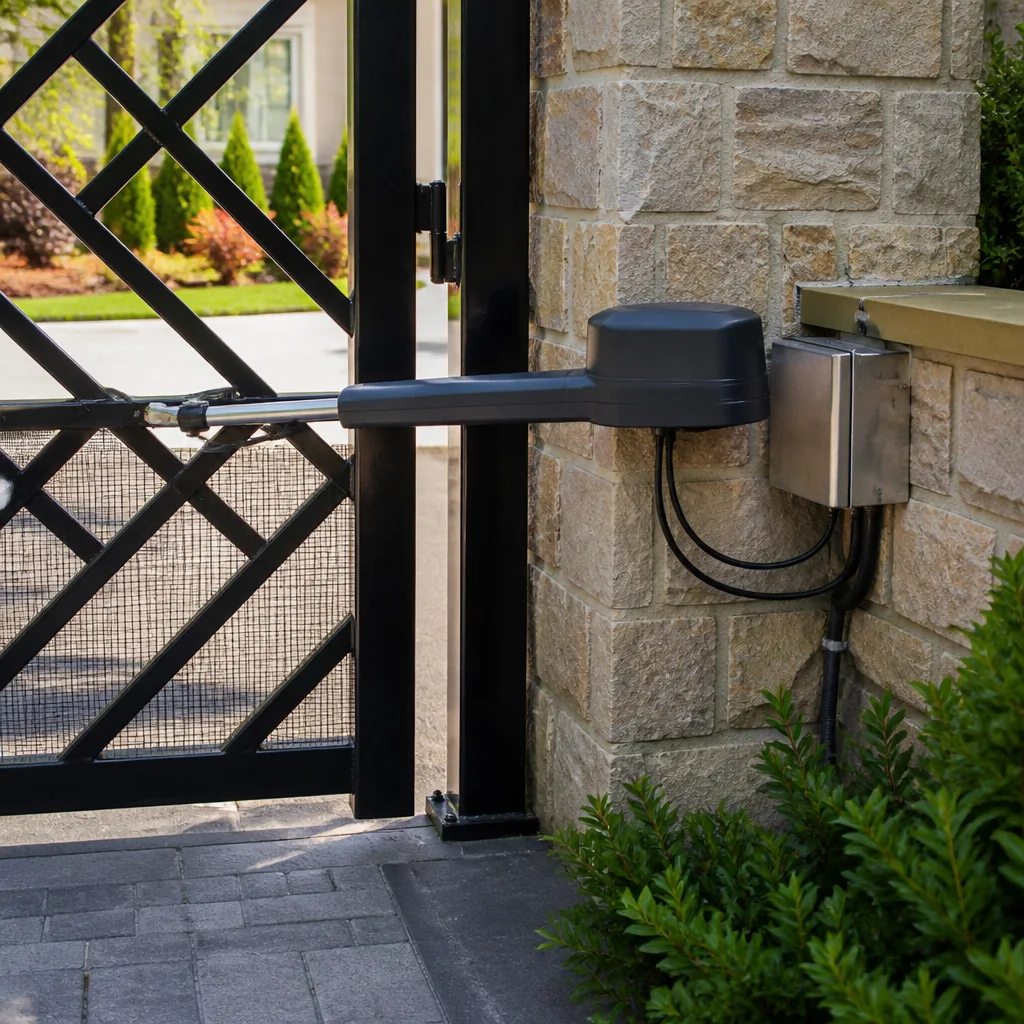 LiftMaster operators
Free on-site gate assessment - hinges, posts, and your LiftMaster or Nice gate operator checked before anything is quoted
The assessment is free and the quote is the invoice.
Get your free estimateDIY vs Professional Gate Repair: The Naperville Homeowner’s Decision Guide
YouTube has tens of thousands of gate repair tutorials, and almost none of them mention the trap that catches most do-it-yourselfers: you can’t see what you’re adjusting. Reset a loop detector’s sensitivity on a professional-grade operator without the right diagnostic equipment and you usually make the problem worse, not better. The task isn’t hard. The feedback simply isn’t visible. That’s the real divide between DIY and professional gate work, and it has nothing to do with how handy you are. It’s about which specific task you’re attempting. This guide sorts Naperville gate repairs into three honest buckets: homeowner-safe, homeowner-risky, and professional-only, and shows you where the line actually sits.
Quick Answer
Some gate repairs are genuinely homeowner-appropriate: lubricating hinges, using the manual release correctly, checking alignment, clearing debris from a track. Others, especially anything involving the operator’s control board, the 120-volt power feed, or a gate that has come off its track, are professional-only because the risk is injury or a much larger repair bill. The dividing line isn’t difficulty. It’s whether the task involves high-voltage wiring, heavy moving panels, or invisible electronic calibration. If it touches any of those three, call a technician.
Styles & brands we work with
- Wrought iron
- Wood & steel frame
- Farm & ranch
- Sliding driveway gates
- LiftMaster operators
Table of Contents
- The Task-by-Task Decision Matrix
- Homeowner-Safe Tasks You Can Do Yourself
- Homeowner-Risky: Where It Gets Complicated
- Professional-Only Repairs and Why
- The Three DIY Repairs That Void Manufacturer Warranties
- Illinois Electrical Rules and Gate Automation
- Spotting a Failed DIY Attempt Before It Gets Worse
- What Naperville Homeowners and Property Managers Should Know
The Task-by-Task Decision Matrix
Here’s the framework we use when a homeowner describes a gate problem over the phone. The question isn’t “can you fix it yourself?” It’s “what does a mistake here cost you?” A mistake on a hinge costs nothing. A mistake on a control board costs a board. A mistake on a power feed can hurt you.
We sort every common repair into three categories, and the reasoning behind each classification matters more than the label.
- Homeowner-safe: Tasks with no high voltage, no heavy lifting, and an obvious result you can see or feel. Hinge lubrication, manual release operation, visual alignment checks, clearing dirt from a slide track.
- Homeowner-risky: Tasks that look simple but have hidden failure modes. Tightening hardware on a sagging swing gate, adjusting a limit switch, replacing a remote or keypad. You might get it right. You might also strip a thread or knock the gate out of calibration.
- Professional-only: Anything touching the 120-volt feed, the operator’s control board, a gate that’s left its track, or a welded joint under load. These have real injury potential and often make the underlying fault harder to find if attempted wrong.
If you remember one thing from this guide, remember the pattern behind the matrix. The safe tasks are the ones where you can see the result. The dangerous tasks are the ones where you can’t, or where a mistake moves something heavy or energized.
Homeowner-Safe Tasks You Can Do Yourself
Three routine tasks genuinely belong in your hands, and doing them correctly prevents a surprising number of service calls. Here’s how to do each one properly, with actual specifications rather than vague advice.
1. Lubricate hinges and moving parts
Use a lithium grease or a silicone-based lubricant, not WD-40 alone, which cleans but doesn’t stay put. Apply a light coat to each hinge pivot, the latch mechanism, and any exposed roller or track contact points. Wipe off the excess so dust doesn’t collect. Do this twice a year: once before summer and once before the ground freezes. Naperville’s freeze-thaw cycles in late fall and early spring are when stiff, dry hinges turn into sticking gates.
2. Operate the manual release correctly
Every automatic gate operator has a manual release key or lever so you can open the gate during a power outage. Find yours before you need it. Read the operator’s manual for your specific model, because the procedure differs between brands. On most swing operators, you turn the release key, push the gate open by hand, and reset the release when power returns. Never force a gate that won’t release; that means the release mechanism itself has failed, and that’s a technician call.
3. Check alignment and clear the track
With the operator off, push the gate through its full travel by hand. It should move freely with one or two fingers of effort. If it binds, look for dirt packed into the track on a slide gate, or a hinge that’s dropped on a swing gate. Sweep or blow out the track. On a slide gate, check that the rollers sit fully in the track and aren’t riding up on debris.
These three tasks take maybe twenty minutes. They also give you a baseline, so you’ll notice when something changes.
Homeowner-Risky: Where It Gets Complicated
This category is where most DIY attempts happen and where most of them go sideways. The tasks aren’t inherently dangerous, but they have failure modes that aren’t obvious until something doesn’t work.
Adjusting limit switches
Limit switches tell the operator where the gate should stop at each end of travel. They’re adjustable, and the adjustment is small. Nudge one a quarter turn and the gate might over-travel and slam; nudge it the other way and the gate stops short and the operator keeps pushing. On a Linear or Viking operator, the limit adjustment procedure is specific and easy to misread. If your gate is overshooting or stopping short, that’s a symptom worth a diagnostic, not a blind adjustment.
Tightening hardware on a sagging swing gate
A sagging swing gate is usually a hinge or post problem, not a tightening problem. Cranking the bolts tight on a post that’s settling or a hinge that’s wallowed out cracks welds or strips threads. The gate looks fixed for a week, then it’s worse. A sagging gate needs the cause identified first.
Replacing remotes and keypads
Adding a remote is fine if you follow the pairing procedure for your exact model. But reprogramming a keypad or access controller that’s wired into a property’s entry system is riskier. On a DoorKing system running a small commercial or HOA gate, a misstep can lock out other users or scramble the entry codes. If the gate serves more than one household, that’s a technician job.
The pattern here is that each of these tasks is easy to start and hard to verify. You don’t know it went wrong until the gate misbehaves.
Professional-Only Repairs and Why
This is the category where we see the most expensive DIY outcomes. Not because homeowners are careless, but because the tasks involve risks you can’t see, touch, or check afterward.
Control board and operator electronics
This is the big one. A FAAC, BFT, or DoorKing control board handles logic, timing, safety input, and motor output. After a power surge, which Naperville thunderstorms deliver most summers, the board can fail in ways that look like mechanical problems. A technician with brand-specific diagnostic tools reads what the board is actually reporting. A homeowner guessing at it usually swaps parts until something works, or doesn’t. We’ve seen this turn a board replacement into a motor replacement.
Anything touching the 120-volt power feed
Most residential gate operators run on standard house current, stepped down internally. The feed side is 120-volt and it can hurt you. Never open the operator housing to chase a power problem unless you’re qualified to work around house current. The low-voltage control side and the high-voltage feed sit in the same box on many units, and it’s easy to mistake one for the other.
Loop detectors and safety sensors
Underground loop detectors sense a vehicle over the driveway approach and tell the gate to hold or open. Their sensitivity is adjustable, and on professional-grade systems you need a diagnostic tool to see what the loop is actually reading. Turning the sensitivity up because the gate won’t open is a common move, and it usually creates a ghost-trigger problem that’s harder to diagnose than the original fault. This is exactly the “you can’t see what you’re adjusting” trap.
Gates that have left their track or hinge
A slide gate that’s jumped its track or a swing gate that’s dropped a hinge involves hundreds of pounds of moving weight. Getting one back into place without proper lifting equipment and a second set of hands is a crush hazard. This is the clearest professional-only call on the list.
If your gate falls into any of these buckets, our Gate Repair Naperville team can diagnose both the mechanical and electrical sides in one visit.
The Three DIY Repairs That Void Manufacturer Warranties
Most gate operator warranties are specific about what voids coverage, and the language is more literal than homeowners expect. The three most common warranty-killers:
- Opening the operator housing on a sealed unit. If the manufacturer’s warranty terms state the housing is sealed and not customer-serviceable, opening it can void the entire electrical warranty, regardless of whether you caused a problem. This is common on residential-grade units from Mighty Mule and Ghost Controls.
- Modifying the wiring or the power feed. Any alteration to the factory wiring, including splicing in a new accessory or extending a sensor cable, can void the electrical warranty on many brands. The warranty language usually specifies “unauthorized modification” and the manufacturer decides what that means.
- Replacing a control board or motor with a non-factory part. Aftermarket boards are cheaper and often fail faster. If your warranty is still active, installing one typically voids coverage on the entire operator, not just the part you replaced.
The practical takeaway: read the warranty page for your specific model before you open anything. If it says “sealed” or “customer-serviceable: no,” that’s your answer. The savings from a DIY attempt rarely cover a voided warranty on a $1,500 operator.
Illinois Electrical Rules and Gate Automation
This is the part most DIY guides skip, and it’s the part with legal consequences. Gate automation involves both high-voltage and low-voltage circuits, and Illinois treats them differently.
In general terms, Illinois requires a licensed electrician for work on permanent 120-volt wiring, including the feed to an operator. Gate automation on the high-voltage side falls into that category. Low-voltage control wiring is often allowed for homeowners, but the specifics vary by municipality and by how the low-voltage circuit interacts with the high-voltage side. If your operator has a low-voltage control terminal and a high-voltage feed in the same housing, you’re in territory that’s best left to a qualified trade.
Naperville, like most Illinois municipalities, has its own permitting rules for electrical work and for gate installations. Permits for new installations or for new power runs are typically required; simple repairs usually aren’t. If your project involves running a new power line to a gate, or replacing an operator, check with the city’s building department about permits before work starts. We can point you to the right questions when we do an on-site estimate.
This guide doesn’t attempt to give code citations, because the rules change and the specifics depend on your property. The safe rule of thumb: if it involves the 120-volt feed, hire a licensed electrician. We handle the gate and operator side; we don’t do general electrical work.
Spotting a Failed DIY Attempt Before It Gets Worse
The most common pattern we see on a follow-up call is a gate that has two problems: the original fault and the one the DIY fix created. The second is usually harder to diagnose because the symptoms overlap.
Signs a previous repair attempt created a secondary problem
- Symptoms that changed but didn’t resolve. If the gate used to open slowly and now it opens slowly and beeps, something was adjusted wrong. Changed behavior means a change in the fault.
- Intermittent triggering. A gate that opens randomly, especially after a loop sensitivity adjustment, is almost always an over-sensitized loop. The original “gate won’t open” problem is gone; the new problem is a ghost trigger.
- New noises or resistance in the manual push. If the gate was hard to push by hand before and harder now, a hinge, roller, or post was disturbed. The mechanical load needs to be found before any operator adjustment.
- Scrambled access codes or locked-out remotes. If multiple users are now locked out, the access controller was reprogrammed incorrectly. That’s a DoorKing or Linear system call for us, not something to sort out by trial and error.
- Burned smell, tripped breaker, or dead operator after a wiring change. Stop using the gate and call a technician. This one can be a safety issue.
When we get a call like this, we diagnose the current state first, not the original complaint. The original fault might already be gone. We need to know what the gate is doing now before we can fix it.
What Naperville Homeowners and Property Managers Should Know
Naperville’s climate and housing stock shape which gate repairs come up most often, and the reasons are worth understanding.
Our freeze-thaw cycles from late fall through early spring are hard on gate hardware. Ground movement around posts, stiff hinges, and track misalignment all show up more in March than in July. The most common spring service call we get is a gate that “worked fine in October” and now sticks or over-travels. That’s rarely a motor failure; it’s usually a mechanical change from ground movement or a hinge that needs attention.
Summer thunderstorms bring a different pattern: power surges that damage control boards and loop detectors. If your gate is dead after a storm, that’s the electronics, not the mechanics, and it needs a proper diagnostic before anyone replaces a board.
Naperville’s mix of neighborhoods, from older parts of the city with mature landscaping and older gate installations to newer developments with more automation, means we see everything from a basic Mighty Mule swing gate on a residential driveway to a DoorKing access system on a small commercial or HOA property. The diagnostic approach is the same; the system and the tools differ.
For a full overview of our gate work in Naperville, including what’s involved in a typical gate repair or electric gate repair visit, we walk through it on those pages.
Common Mistakes to Avoid
- Adjusting loop sensitivity without diagnostics. Turning up the sensitivity because the gate won’t open usually creates a ghost-trigger problem. You can’t see what you’re adjusting, so you don’t know the fix worked.
- Opening a sealed operator housing. Many residential operators void the electrical warranty the moment the housing is opened. Read the warranty page for your model before you pick up a screwdriver.
- Cranking down a sagging gate’s hardware. A sagging swing gate is a hinge or post problem. Tightening bolts strips threads or cracks welds and makes the real fix more expensive.
- Pushing a bound gate by hand to “test” it. If you have to push through resistance, something is wrong. Forcing it can warp a panel or snap a roller, and you’ve now got two problems.
- Reprogramming an access controller on a shared gate. On a DoorKing system serving an HOA or commercial property, a misstep locks out other users. That’s a technician call.
- Ignoring a burnt smell or tripped breaker after a wiring change. Stop using the gate. That’s an electrical fault, and it can be a safety issue.
- Assuming it’s the motor when the gate won’t move. In our experience, a lot of “failed motors” in Naperville are actually mechanical binding or a limit-switch problem. Diagnose the mechanical side before replacing electronics.
See the difference
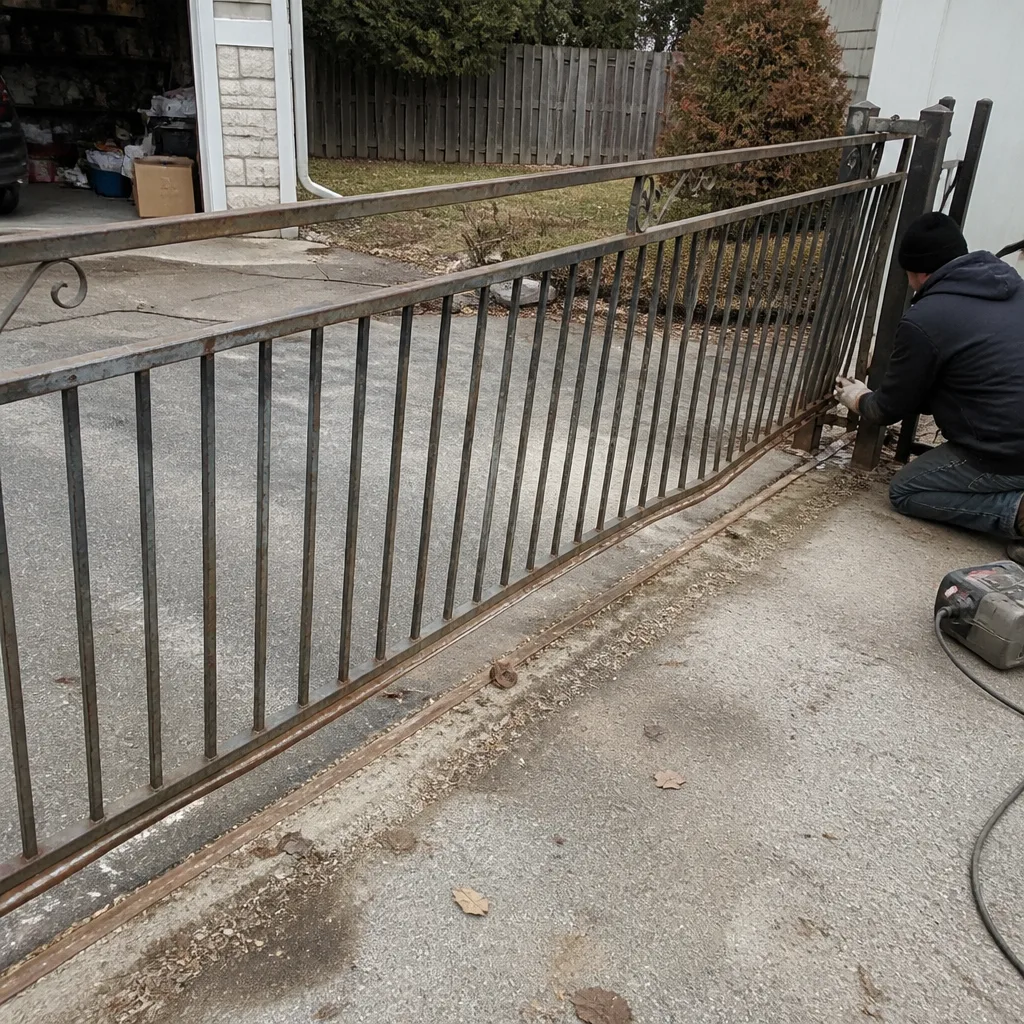 Before
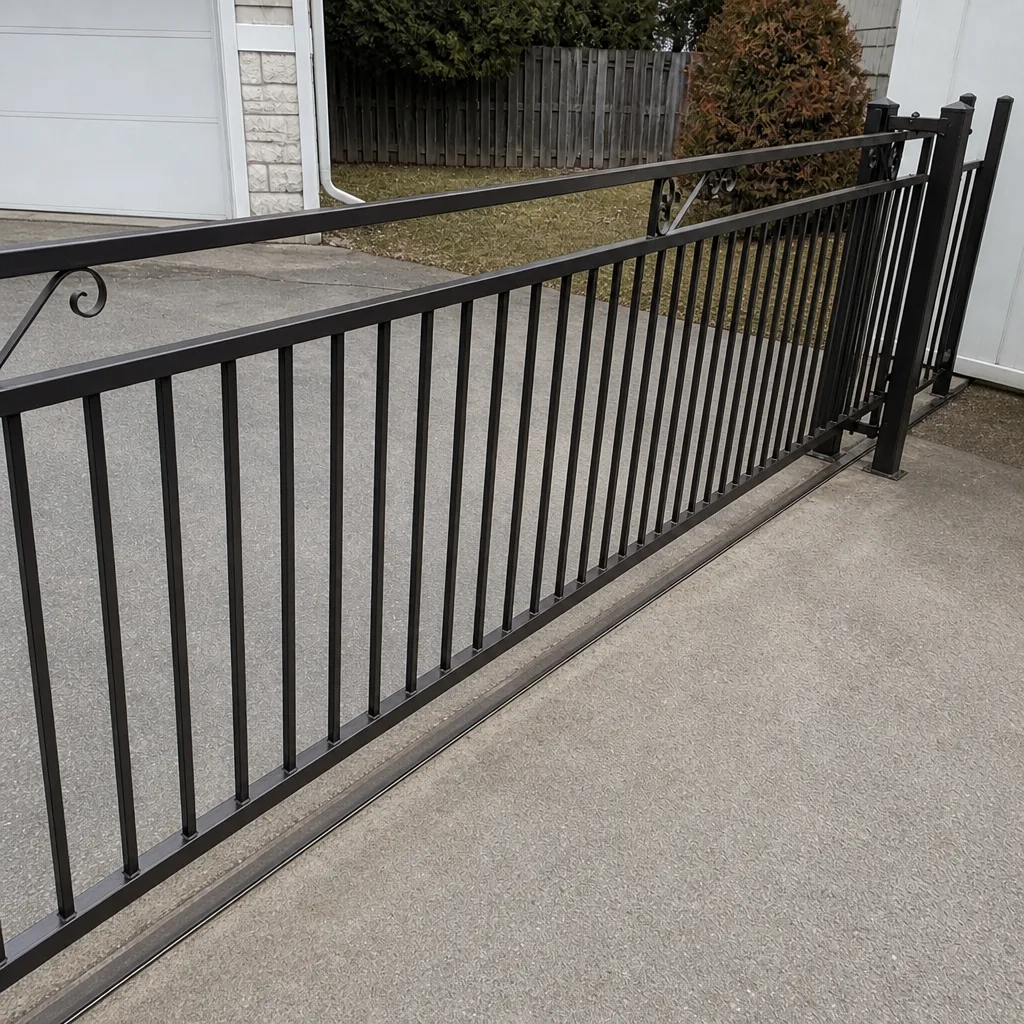 After
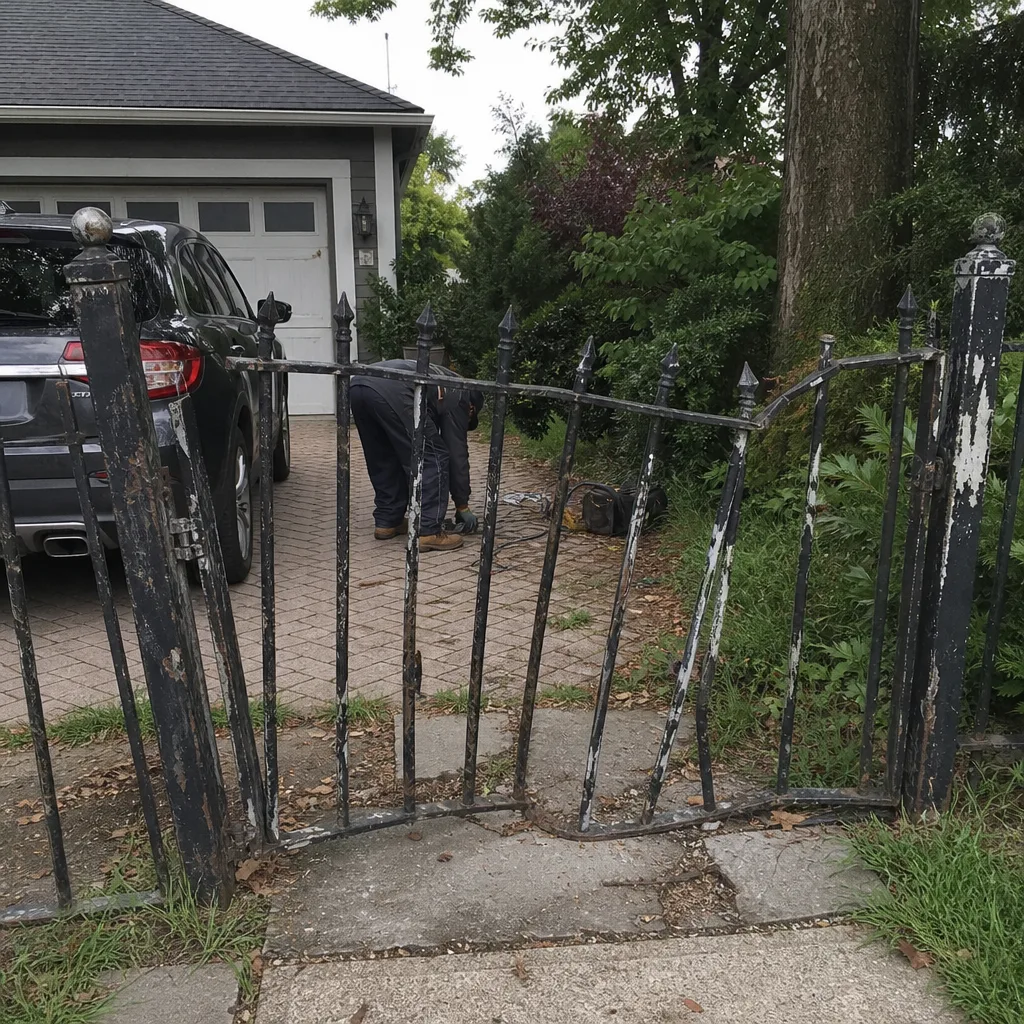 Before
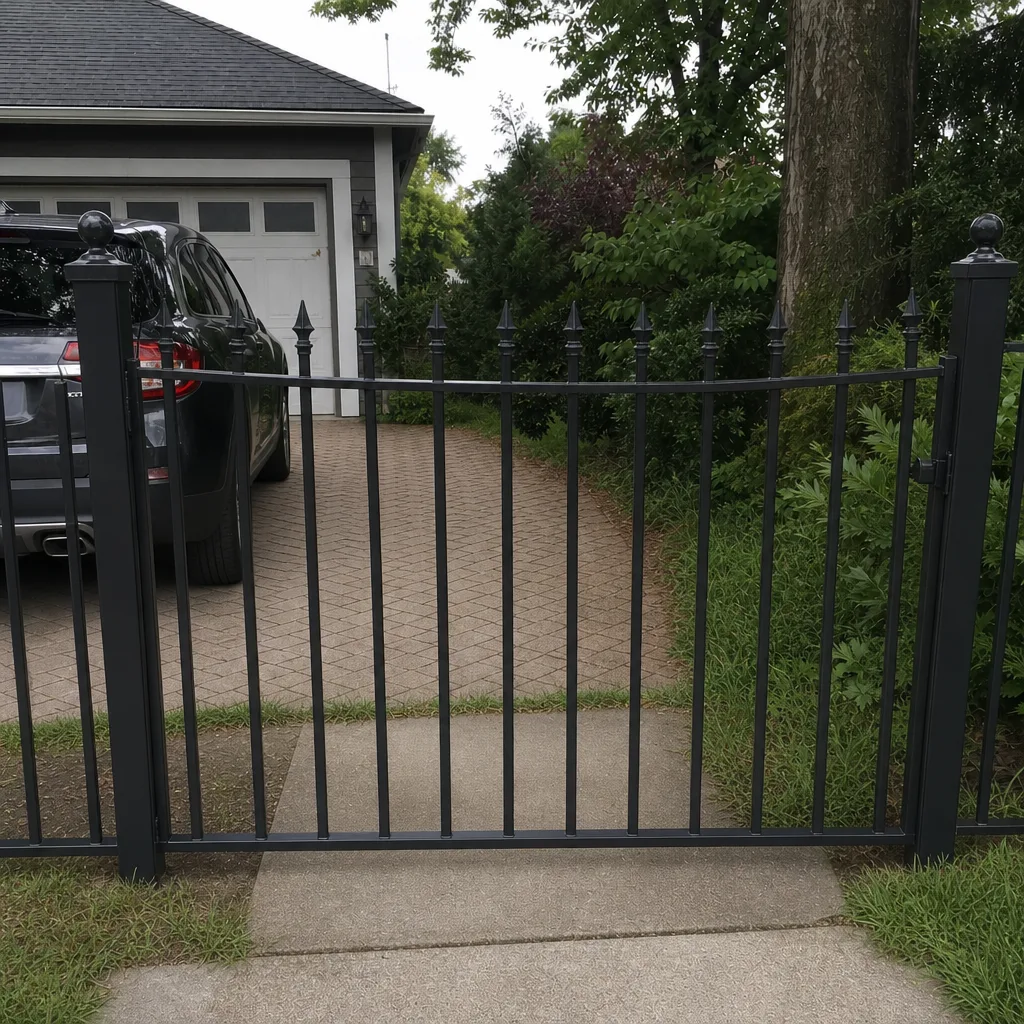 After
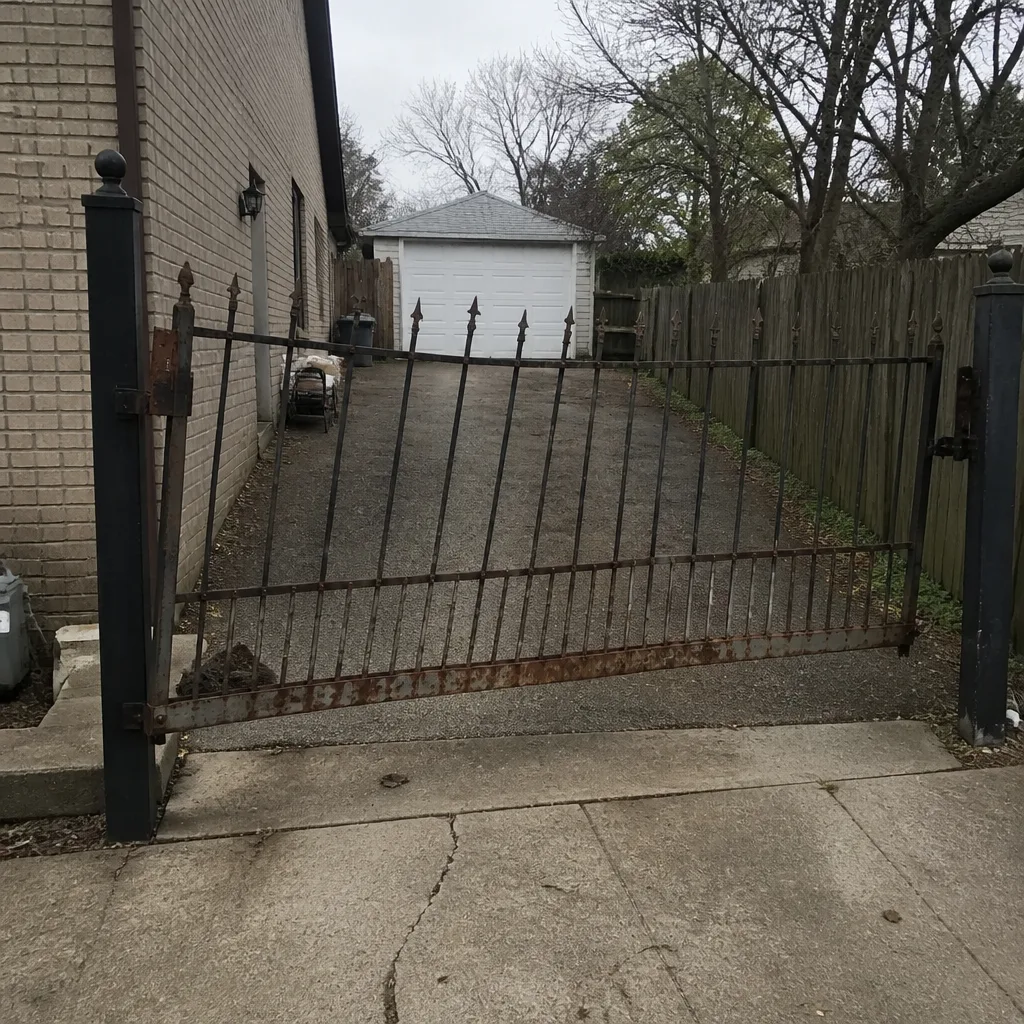 Before
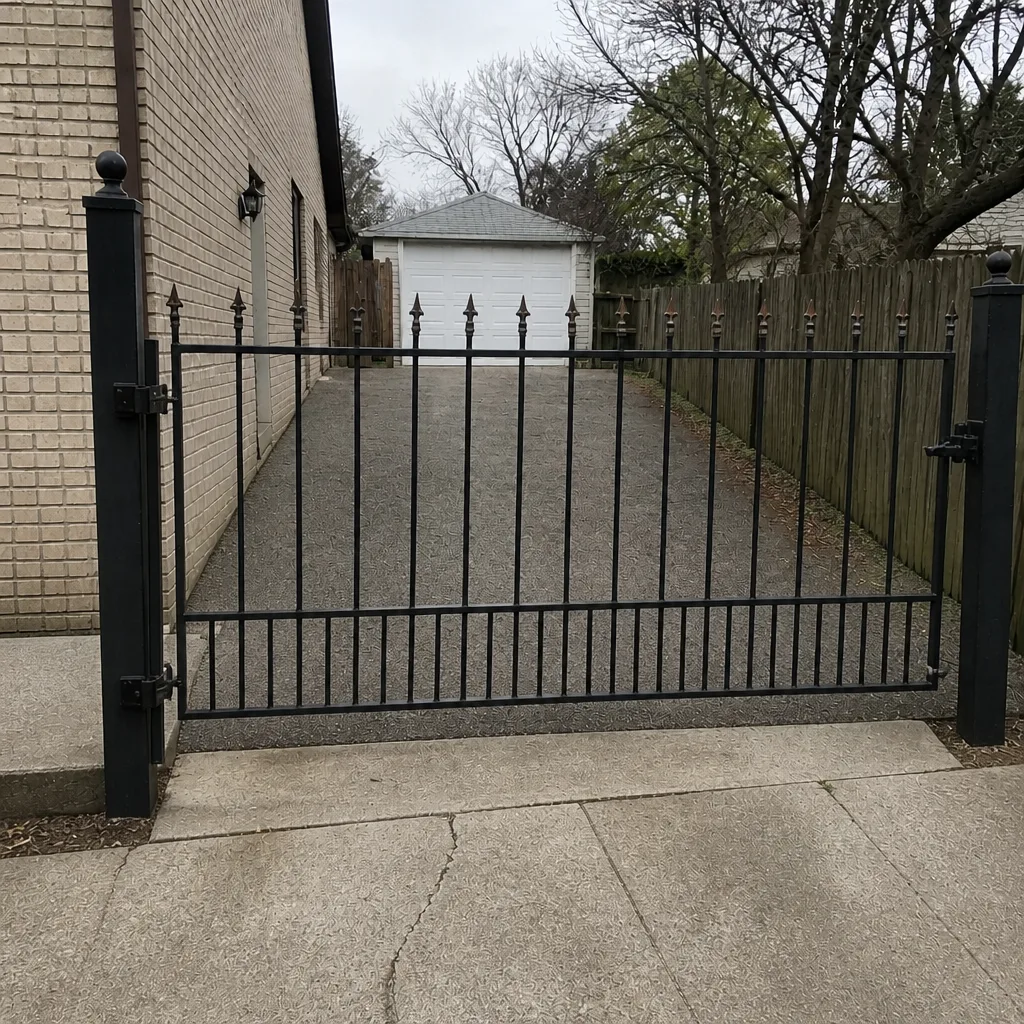 After
When to Call a Professional
Call a technician for anything involving the 120-volt feed, the operator’s control board, loop detector calibration, or a gate that’s left its track or dropped a hinge. Call for a shared access system on a small commercial or HOA property. Call if a previous repair attempt left the gate with changed or intermittent symptoms, or if you smell something burning or a breaker trips after wiring work. And call if the gate has failed in a way that leaves it stuck open across a driveway or entry point. Gate Repair Naperville offers free estimates in Naperville. Call (888) 569-7811. We answer 24/7. Fast dispatch from 7am to 7pm, Sunday through Friday. Our technicians have up to 8 years of experience, and our written estimate sets the price before any work starts.
Frequently Asked Questions
Yes, for a small set of tasks. Hinge lubrication, manual release operation, basic alignment checks, and clearing debris from a track are all homeowner-appropriate. Anything involving the 120-volt feed, the control board, loop calibration, or a gate off its track is professional-only. Call (888) 569-7811 for an exact quote on anything beyond the safe list; estimates are free.
It can, depending on the brand and the specific task. Opening a sealed operator housing, modifying factory wiring, or installing a non-factory control board are the three most common warranty-voiding moves. Read the warranty page for your exact model before you open anything. If you’re unsure, call (888) 569-7811 and we’ll talk through the repair.
That’s almost always an over-sensitized loop detector. Turning up the sensitivity to fix a “gate won’t open” problem creates a ghost-trigger, where the loop reads a vehicle that isn’t there. On a professional-grade system you need a diagnostic tool to see what the loop is actually sending. Call (888) 569-7811 for a proper diagnostic; estimates are free.
It depends on the project. Simple repairs usually don’t need a permit; a new installation or a new power run to the gate often does. Check with Naperville’s building department about the specific project before work starts. We can point you to the right questions when we do an on-site estimate. Call (888) 569-7811 to schedule one.
The signs are symptoms that changed but didn’t resolve, intermittent triggering, new resistance when you push the gate by hand, scrambled access codes, or a burnt smell after a wiring change. If any of those show up, stop using the gate and get a diagnostic before more work. Call (888) 569-7811; estimates are free.
We work on nine gate automation brands, spanning residential through commercial: LiftMaster, FAAC, BFT, Linear, Viking, Ghost Controls, DoorKing, Elite, and Mighty Mule. Whether your gate runs a Mighty Mule residential operator or a DoorKing access controller, we know the system and the brand-specific failure points. Call (888) 569-7811 for an exact quote; estimates are free.
The Bottom Line
The DIY-versus-professional question isn’t about skill. It’s about which specific task you’re attempting. Lubricate your hinges, learn your manual release, and clear your track. Leave the control board, the power feed, the loop calibration, and the gates that have left their track to a technician. The tasks where you can’t see what you’re adjusting are the ones where a small mistake becomes an expensive one. Naperville’s freeze-thaw springs and stormy summers put specific stress on gate hardware and electronics, and knowing which category your problem falls into saves you money. If you’re unsure, a free estimate is a cheap way to find out.
When you’re ready, call (888) 569-7811 for a free estimate. We answer 24/7. Fast dispatch from 7am to 7pm, Sunday through Friday, and we’re closed Saturday.
Written by the team at Gate Repair Naperville.